
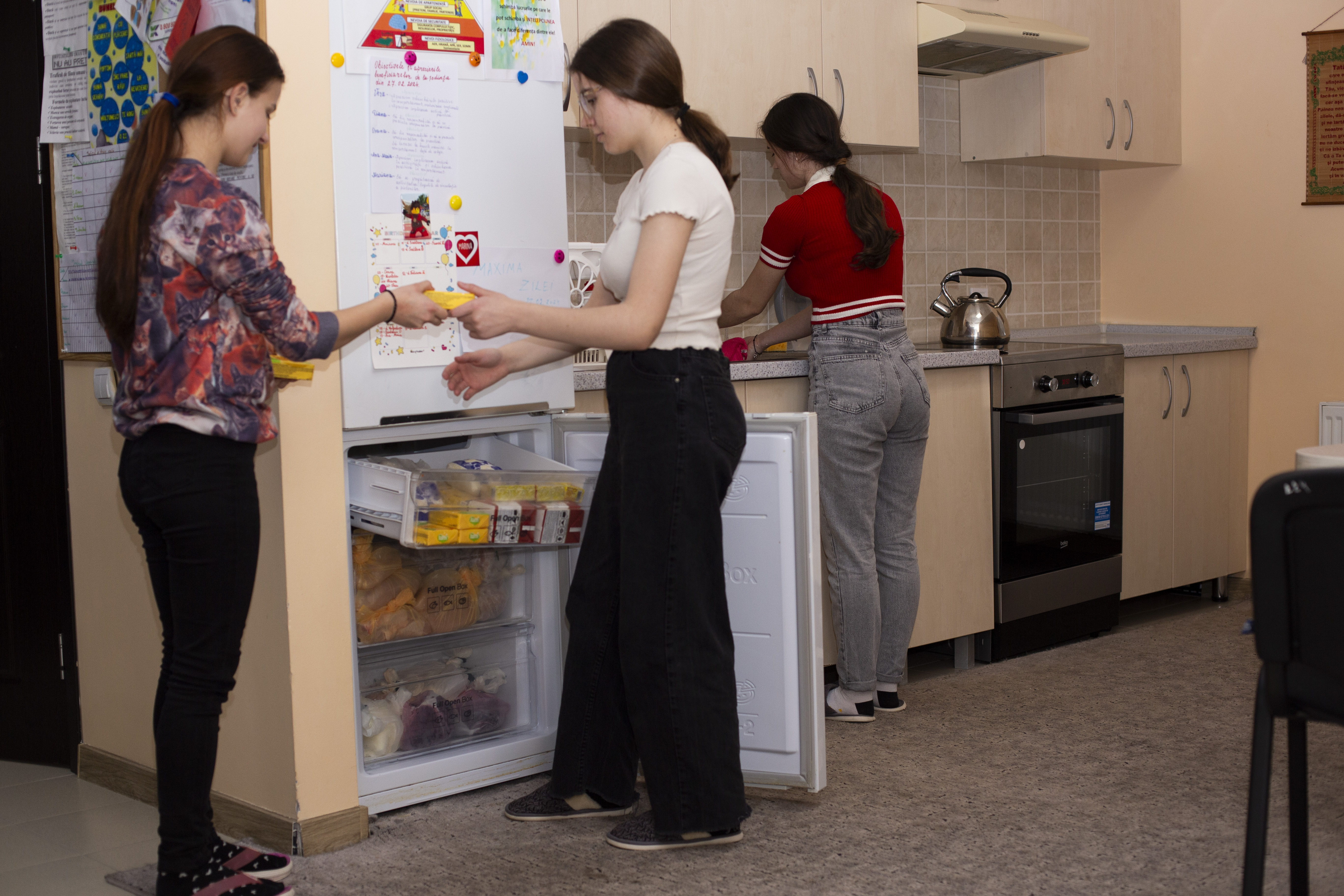

The Social Apartment is a project launched by the Diaconia Social Mission in 2007 to address the lack of support for vulnerable young girls in the Republic of Moldova after finishing their mandatory education at age 15. In many cases, young girls who have experienced violence, neglect, or come from socioeconomically disadvantaged areas fall through the cracks of the Moldovan social work system and become victims of abuse and trafficking.
This is exacerbated by the fact that once a student in the Republic of Moldova graduates from middle school, they can choose to end their studies and enter the workforce or pursue hands-on training for manual labor, which enables potential abuse of young women through social isolation.
The Republic of Moldova is considered a primary source of victims of human trafficking, and girls from Moldova have been identified as victims in several Western European countries (Italy, Spain, Germany, and the United Kingdom). In March 2026, a trafficking ring operating nationally was apprehended, and seven girls - three of whom were teenagers -were taken in by social services. Two of the girls are currently housed in state-run placement centers, meant to give them a safe space to recover and reintegrate into society.
Why the project started
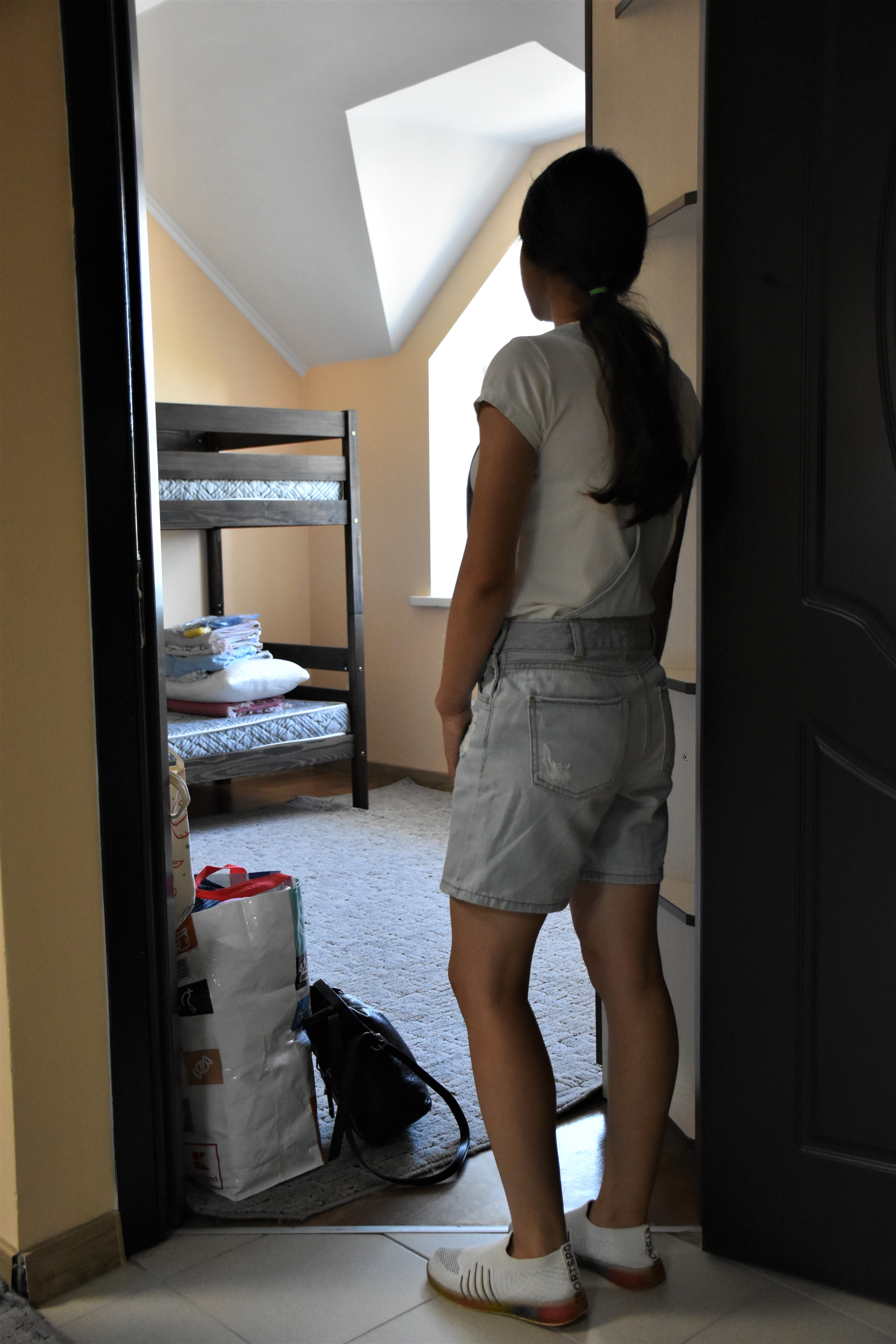
In the 2000s, the phenomenon of human trafficking—specifically, the trafficking of women—gained momentum in Moldova. After finishing middle school, young girls coming from socially vulnerable families or from alternative care settings have limited opportunities to continue their studies or obtain a profession. Consequently, they are the most susceptible to the phenomenon of human trafficking, a reality that spurned the creation of the Social Apartment.
The Apartment began in Orhei, a small city about 40km from the capital. As it expanded, the Apartment was moved to the capital, Chisinau, in 2015. The 6 women team behind the project , are all trained in social work, pedagogy, and psychology and they take turns residing in the Apartment with the girls.
How it works
I spoke with Tatiana Stoianova-Lupu, the manager of the Social Apartment, about the shortcomings of the social protection system and what the Apartment does differently in its approach to working with socially vulnerable girls:
“Since these centers focus on quantity rather than quality, there are many children there, both boys and girls. So, it’s more difficult to administer and manage these centers.” The Social Apartment shares the philosophy of quality over quantity. Each year, they take in 6 girls aged 16-18 from socially vulnerable backgrounds. The girls are selected through consultation with social workers and local authorities. The project has had 108 beneficiaries to date.
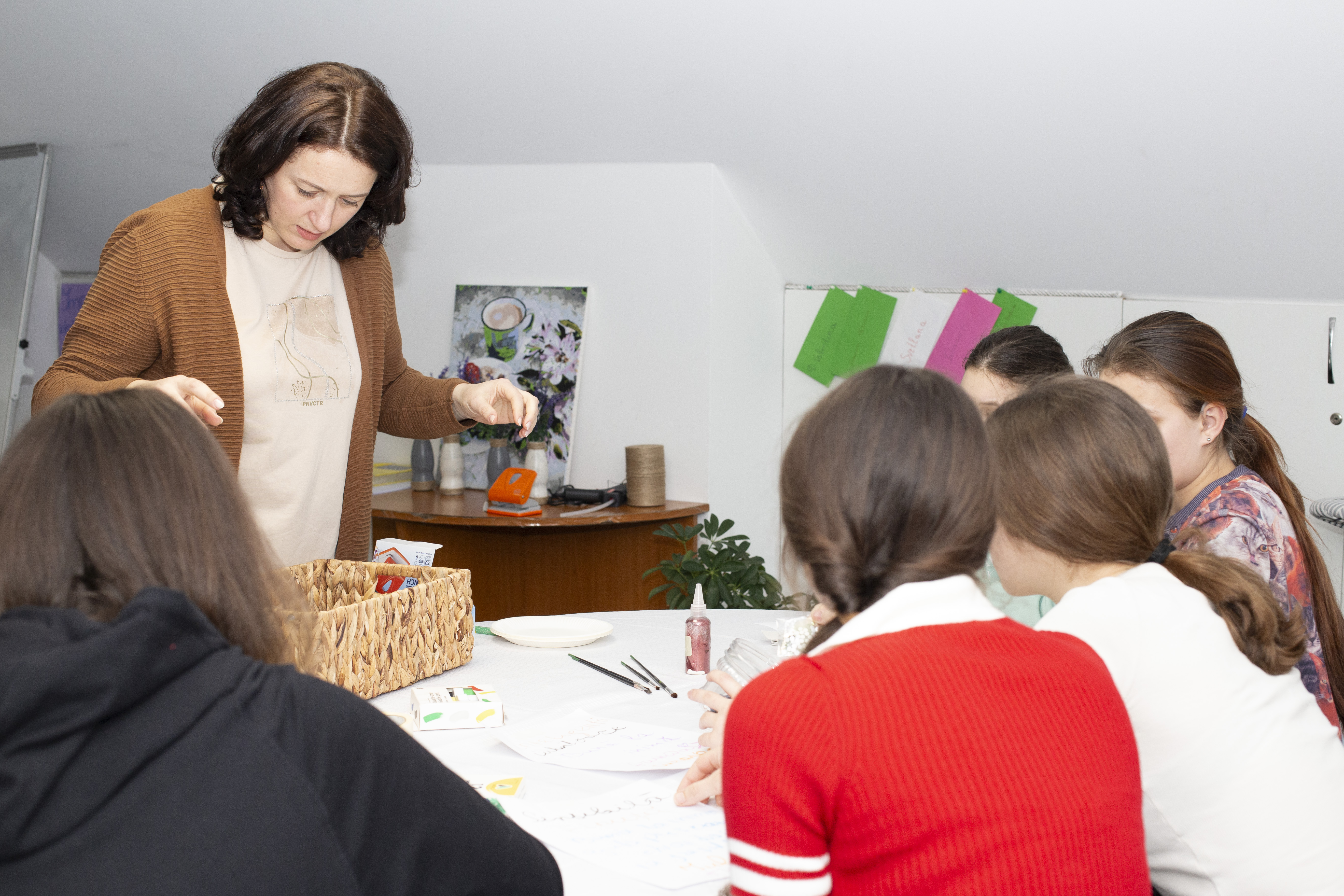
During their year-long stay, the girls are taught practical, everyday- life skills and supported in finding a career. Some of the things you can expect to see in a day at the Apartment include lessons on how to save money, how to cook, and how to apply for a job. They are also enrolled in trade schools in the capital city, Chisinau, which teach them a profession of their choosing - such as baking, sewing, or cosmetology - so that they can find a job and become self-sufficient.
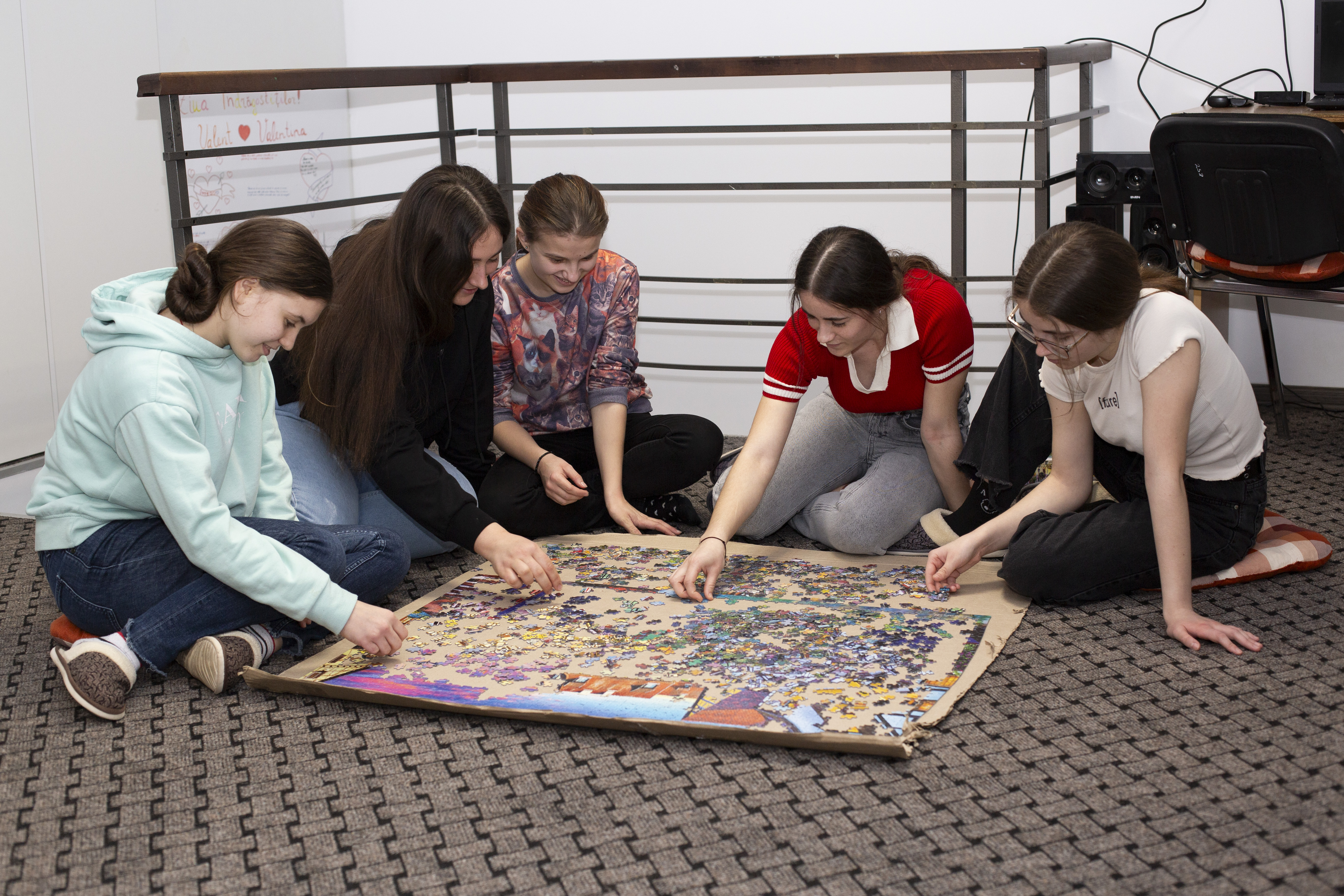
The courses last 6-9 months, and the girls graduate from the program shortly before completion. The Apartment fills the gap in programs, providing vital transitional support to girls getting back on their feet by guiding them in choosing an apartment and finding a job: “The girls arrive at the Apartment in July, go through an adjustment period until September, and classes begin in September. During the adjustment period, they get to know the environment, the rules, the operating procedures, and the team members. They get to know each other and adjust to living in a group of six girls.
At the same time, they get to know the city and the landmarks they need most—the clinic, the store, and where the school is located. During this period, team members accompany them to these places, and later on, they start getting around on their own or as a group,” Tatiana explained.
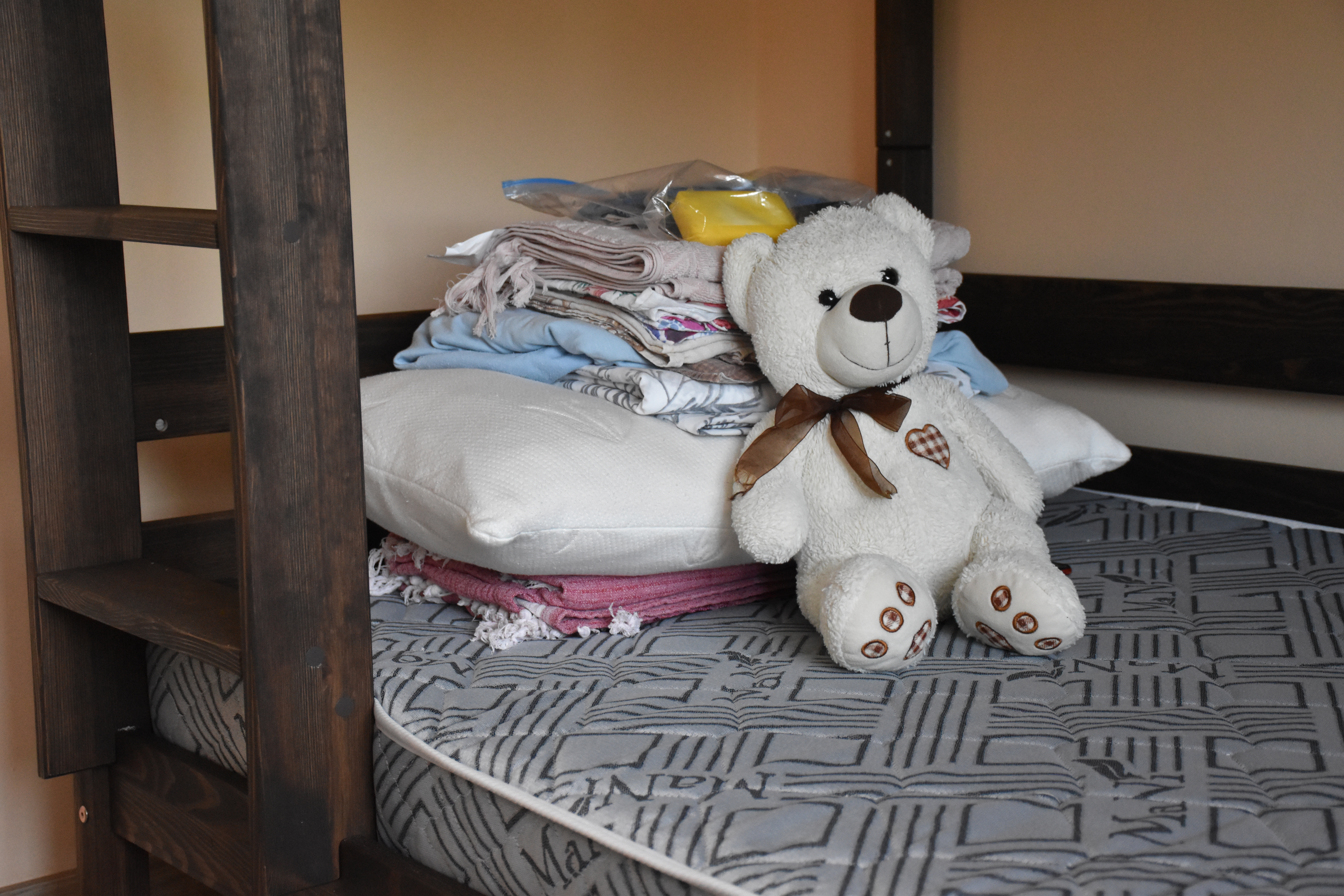
Life inside the Apartment
I also spoke to one of the beneficiaries of the Apartment, Ana*. She’s currently in her 8th month of the program and training to become a baker and cook.
“If I were to compare the placement center I lived in before and the Apartment, the Apartment is much, much better. The placement center would leave us to figure everything out on our own. I mean, we wouldn’t get the same care and support that they give us [at the apartment]. There were a lot of kids there, and they didn’t stay with us to explain things and help us understand better. But here, they give us a lot of time. For every question, every difficulty, every problem we encounter, they sit down with us and explain everything to us. That way, we understand how to move forward, at what pace, and how to proceed to get past the problem.”
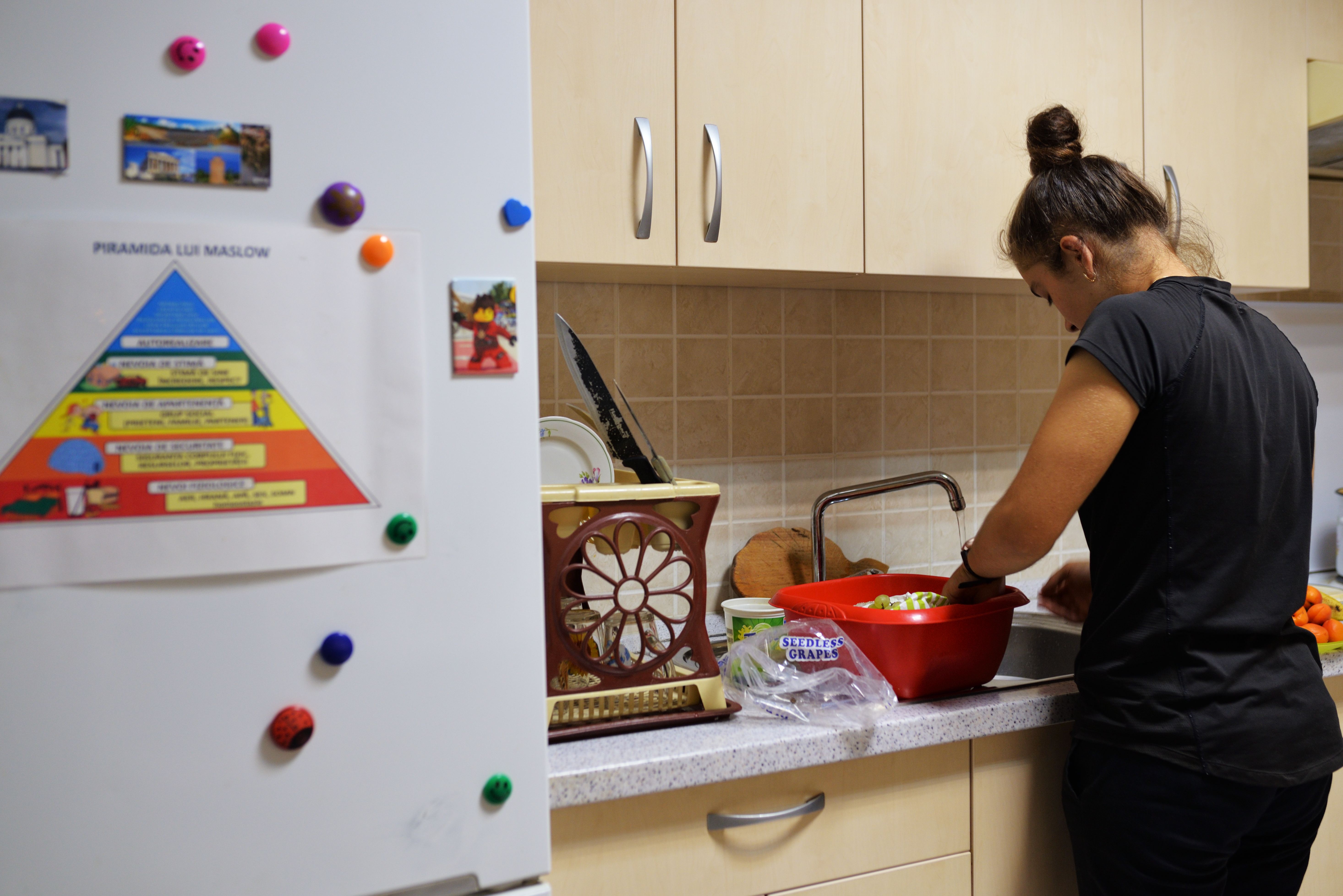
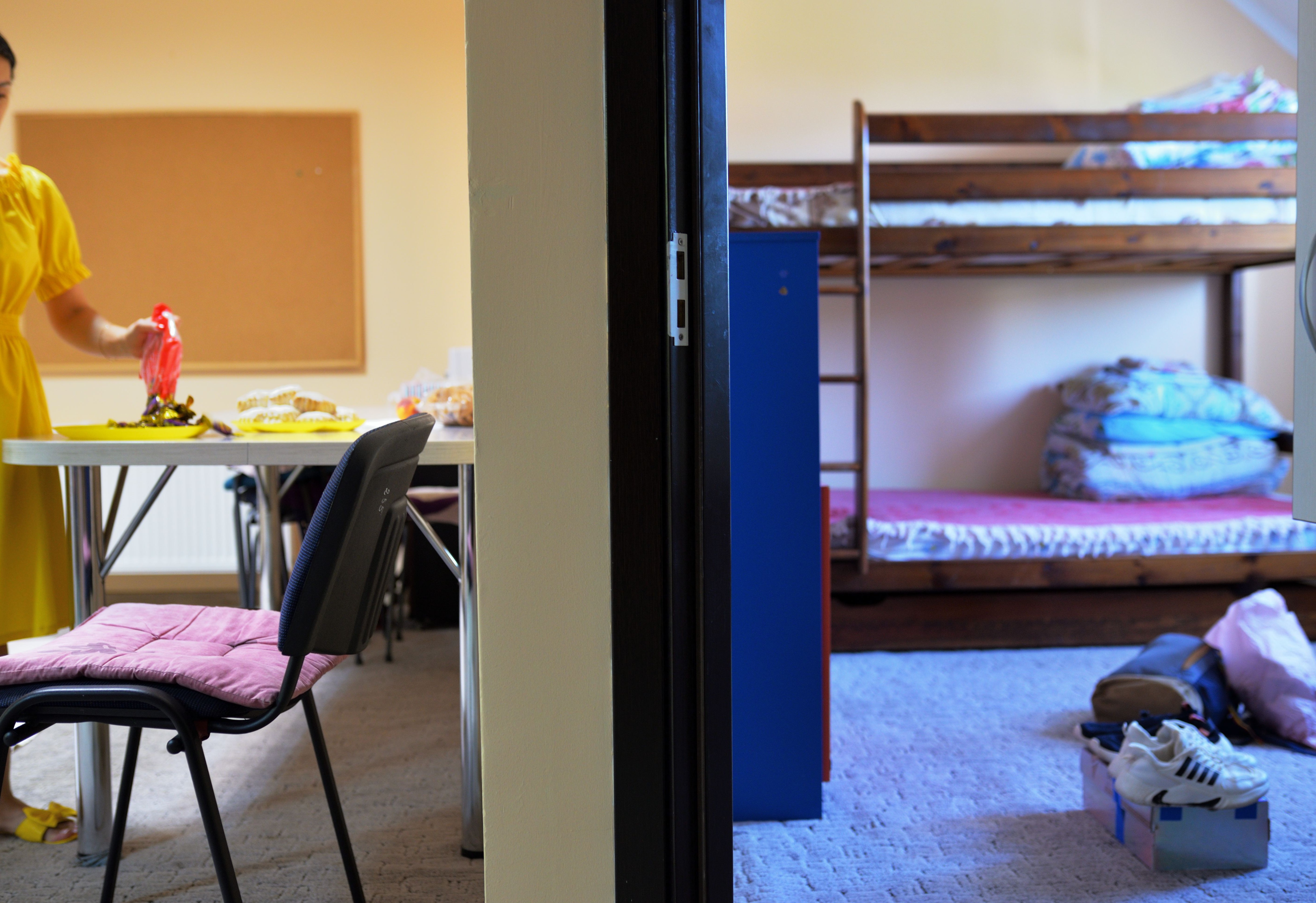
There are no cooks or cleaners hired, and the girls are expected to take up household tasks, such as cooking dinner together and cleaning their spaces, to instill routine and structure. This practice is meant to give the girls a sense of control over their own surroundings, trust in their own abilities, and teach them to work together with clear boundaries and expectations. Studies show routine is an important part of coping with trauma, and having a predictable environment can promote psychological resilience and reduce post-traumatic stress, thus helping the girls in the Apartment recover from their experiences and preparing them to live on their own.
A possibility for replication
The longevity of the project, as well as the success of the pedagogical model the Apartment uses to raise capable, confident young women, is a large incentive for replication of the project in other countries, as well as nationally.
“The Social Apartment program is the only one of its kind in the Republic of Moldova,” Tatiana pointed out, “At the same time, there is a great need for such programs, because this is a vulnerable age—an age when these children need support and assistance; they need guidance, advice, and direction, and they need an adult by their side.”
The Republic of Moldova is moving away from Placement Centers, investing in the development of a functional foster program, and deinstitutionalizing the children currently in the system. The main challenge here, as with the Social Apartment, is time and financial constraints. The Apartment conducts a selection process of 20+ girls every year before selecting the 6 they will work with in the future. This process requires active involvement from social workers, time to carry out screenings and interviews, and money to get the girls from the beginning to the end of the program.
The Social Apartment has had a successful 19-year run, with graduates being fully integrated into society, becoming self-sufficient, and holding stable jobs. The girls are always welcome to return, giving advice to their younger counterparts, participating in other Diaconia programs as volunteers, and maintaining long-term close relationships with staff.
When asked about the impact of the project, Tatiana said, “Girls keep coming back after finishing the program and saying that they don’t know what their future would have looked like if they hadn’t had the chance to participate in the program. That is, for me, the biggest confirmation of success.”