

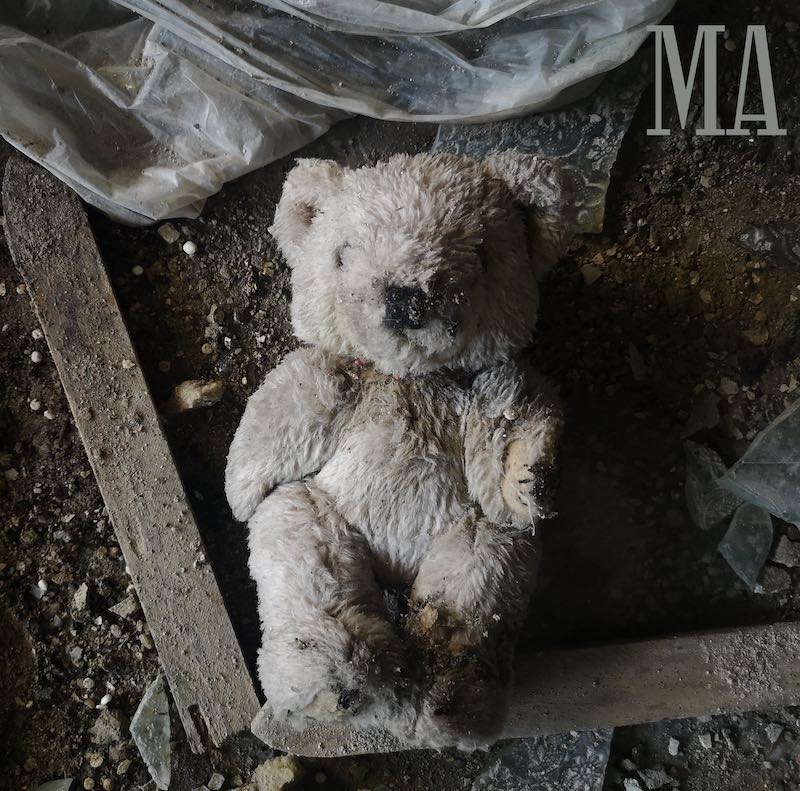
The first thing that greets you on the homepage of the Museum of Abandonment is a bolded quote over the image of a dusty teddy bear amongst rubble: “A society that remembers is a society that heals.” The teddy bear, a toy picked up by the team while they were doing fieldwork at the Sighet hospital-home, located in the northwestern town with the same name, is part of the story that needs to be remembered. It is one of the tens of thousands of archive pieces the museum has collected in its efforts to map out Romania’s culture of abandonment and offer a historical narrative of the abandonment and institutionalisation of children in the communist and post-communist eras.
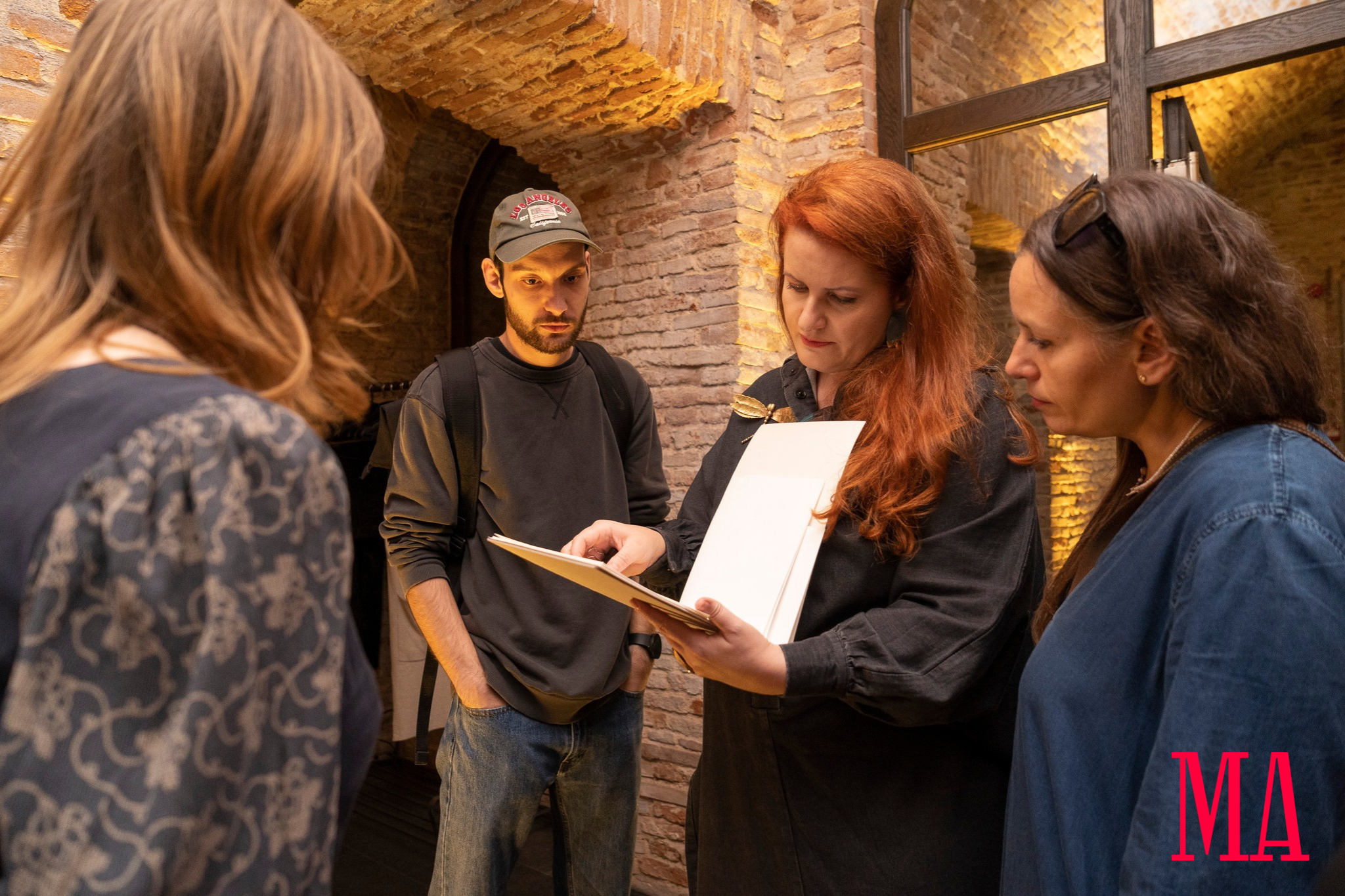
‘’Romania is experiencing a perpetual abandonment on many levels,” Oana Drăgulinescu, the museum’s founder, plainly tells me before following up with a rapid-fire list of examples. Children left in state care, animals abandoned on streets, historic buildings crumbling, entire communities ignored – it’s all a national trauma with no public reckoning.
At my knee-jerk question of why, Iris Șerban, one of the archive coordinators of the museum, gently corrects me and points out: ‘’We start from what happened and how it happened. Because we don’t actually know these things.’’
Nobody’s Children: A Legacy of Abandonment
The official records at the beginning of the ‘90s estimated there were about 100,000 abandoned children living in the care of the state. The real number is still unknown, but experts consider it to be much higher. The child protection system in socialist Romania was rapidly expanded after a baby boom in 1967, a direct result of President Ceaușescu’s 1966 Decree 770, which outlawed abortion on request and contraception. The effect was a 400% increase in births. In the following two years, four times more children were born than in the previous corresponding period – 1,6 million.
Bogdan Simion, President of the Federation of Non-Governmental Organizations for Children, sums up the attitude of the authorities to mothers during that period: “If you can’t raise your child, leave it in the care of the state, with no sanctions. We’ll look after it.” Law 3 of 1970, which reorganized the entire child protection system, provided for the operation of several types of ‘protection’ institutions, depending on the age of the child, as well as on the disabilities they displayed, which were called ‘deficiencies.’
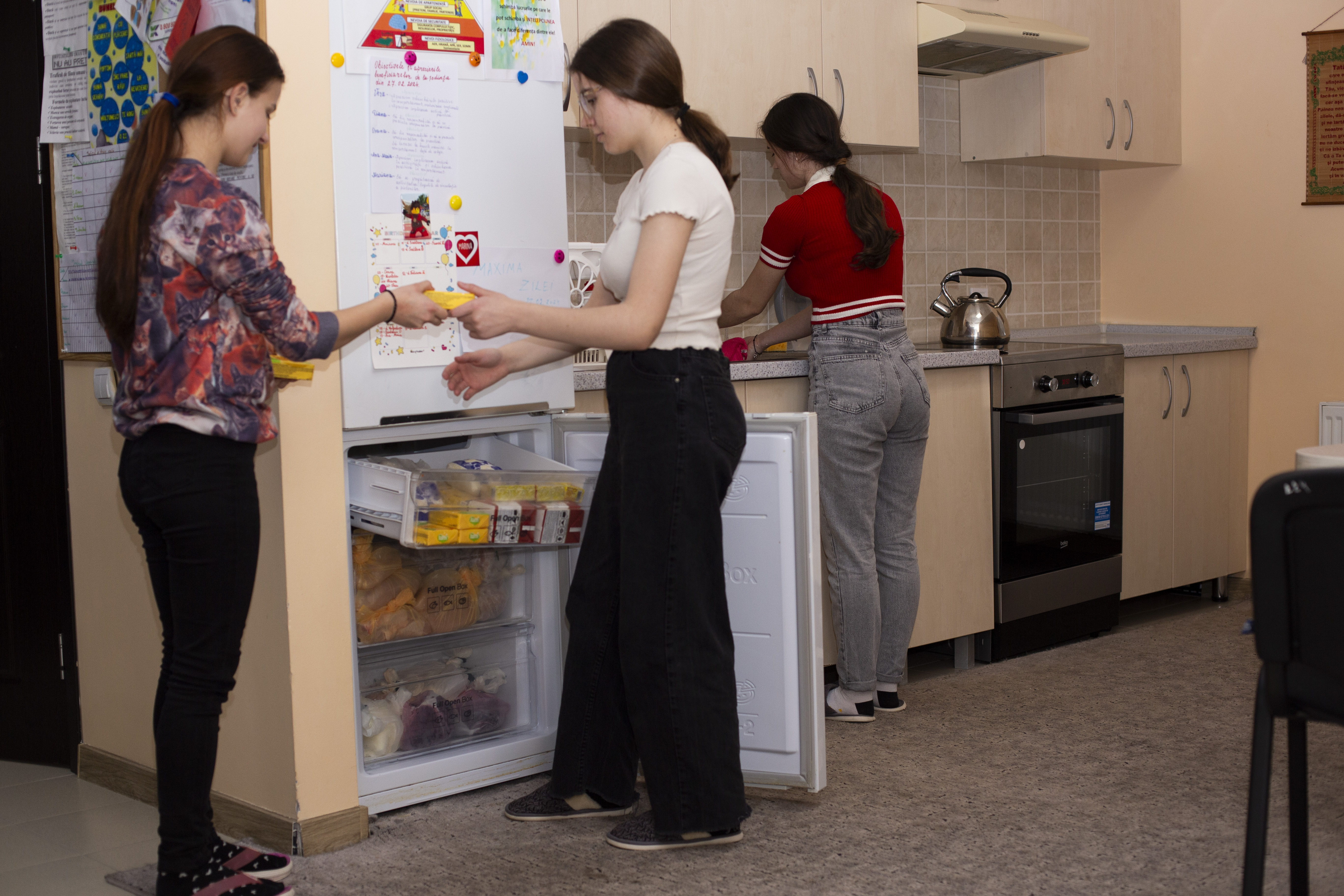
One type of institution was the so-called ‘hospital home’, which housed children aged 3-18 with disabilities that, according to communist authorities, could no longer be integrated into society. These children were dubbed as ‘unrecoverables.’
In the wake of the December ‘89 Revolution, foreign press flocked to Romania and stumbled onto the harrowing reality inside these care homes, orphanages, and the so-called ‘hospital homes’: tens of thousands of malnourished and sick children living in overcrowded wards, and under inhumane conditions that many compared to wartime internment camps. In a December ‘90 debate from the British House of Commons, one MP remarked that “the orphanages for the handicapped are their worst… naked children, many horribly deformed, in steel cages… as bad as Auschwitz, except that the people inside were kept alive rather than gassed.’’
A 2022 report by the Institute for the Investigation of Crimes of Communism and the Memory of the Romanian Exile (IICCMER) estimated that more than 15,000 minors died in 26 of the hospital-homes between 1967 and 1990. These children died due to starvation, improper living conditions, abuse, and a lack of medical care.
“This subject has been consistently overlooked for the last 35 years. In the condemnation of the crimes of communism,’’ Oana points out, ‘’ in over 300 pages, there is not even a mention of the children who died in state institutions.”
To this day, despite recommendations from the Council of Europe and the European Parliament, and legal requests stemming from investigations of the IICCMER, Romanian state authorities have never recognised the crimes committed against institutionalised children, nor have they provided material damages. Once again, these children remain abandoned.
A Restorative Justice Approach to Abandonment
The Museum of Abandonment was born in 2021 because, as Oana explains, ‘’What followed that profound trauma was not a process of memorial healing, but a process of condemning what happened. Nothing was communicated to the general public in any way.’’
The museum is the first of its kind in the Romanian sphere; a digital-first and participatory entity that seeks to become a space that not only memorialises forms of extreme and ordinary abandonment, but also creates a space for dialogue and collective healing. These kinds of initiatives are common in the field of restorative justice, a framework that prioritises repairing harm through dialogue, accountability, and community involvement rather than retribution.
‘’A museum,’’ the team muses, ‘’is a very gentle form of communication for a very difficult subject. It works like a sound muffler — you receive the subject, but with a distance that makes it bearable.”
The digital aspect reinforces that. Several of their online exhibitions urge visitors not to rush and to come and go as they please. Digital accessibility has allowed the museum to reach hundreds of thousands of users, including some of the estimated 30,000 children adopted abroad in the 90’s.
It also allowed them to sustain the project financially. Funding is the biggest limitation of an endeavor such as this one. Oana drily points out that while plenty of potential investors follow the work of the museum, ‘’they cannot convince their companies to associate with it. Because it is not shiny at all.” It is an uphill battle on their part to frame the work they do as something that goes beyond being sad, in spite of their best efforts to showcase that healing a common wound can help build bridges.
Collective Memory, Shared Responsibility
Oana and Iris point out that the impact is felt daily, in various, less quantitative ways. The three online exhibitions permanently housed by their digital interface also had short runs in physical spaces in Bucharest, bringing together thousands of people. Iris recalls how, after their first exhibition about the Sighet home-hospital, a woman came up to tell them that ‘’the exhibition made her remember something she had completely forgotten — the toys she wasn’t allowed to play with as a child. With her first salary as a teenager, she bought herself a porcelain doll. That was how she connected to abandonment.”
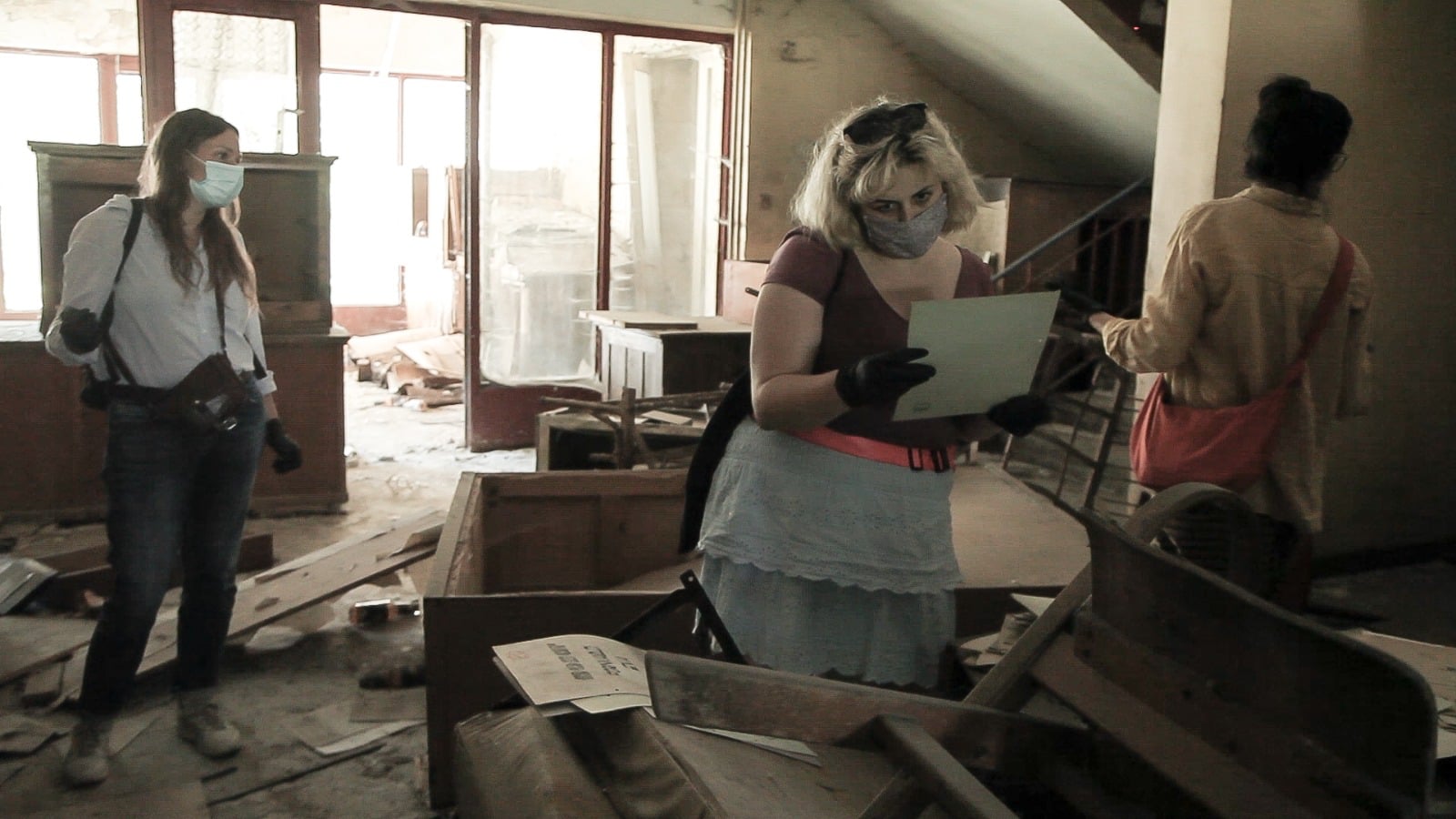
That is why the participatory aspect is so central to what they do. The unspoken phenomenon of abandonment can only be understood by collecting, documenting and archiving a plethora of experiences. “Only about one percent of what we collect comes from the field,’’ adds Iris. ‘’The rest is photographic material, documents, testimonies, interviews. We started from zero and now work with around 20,000 items.”
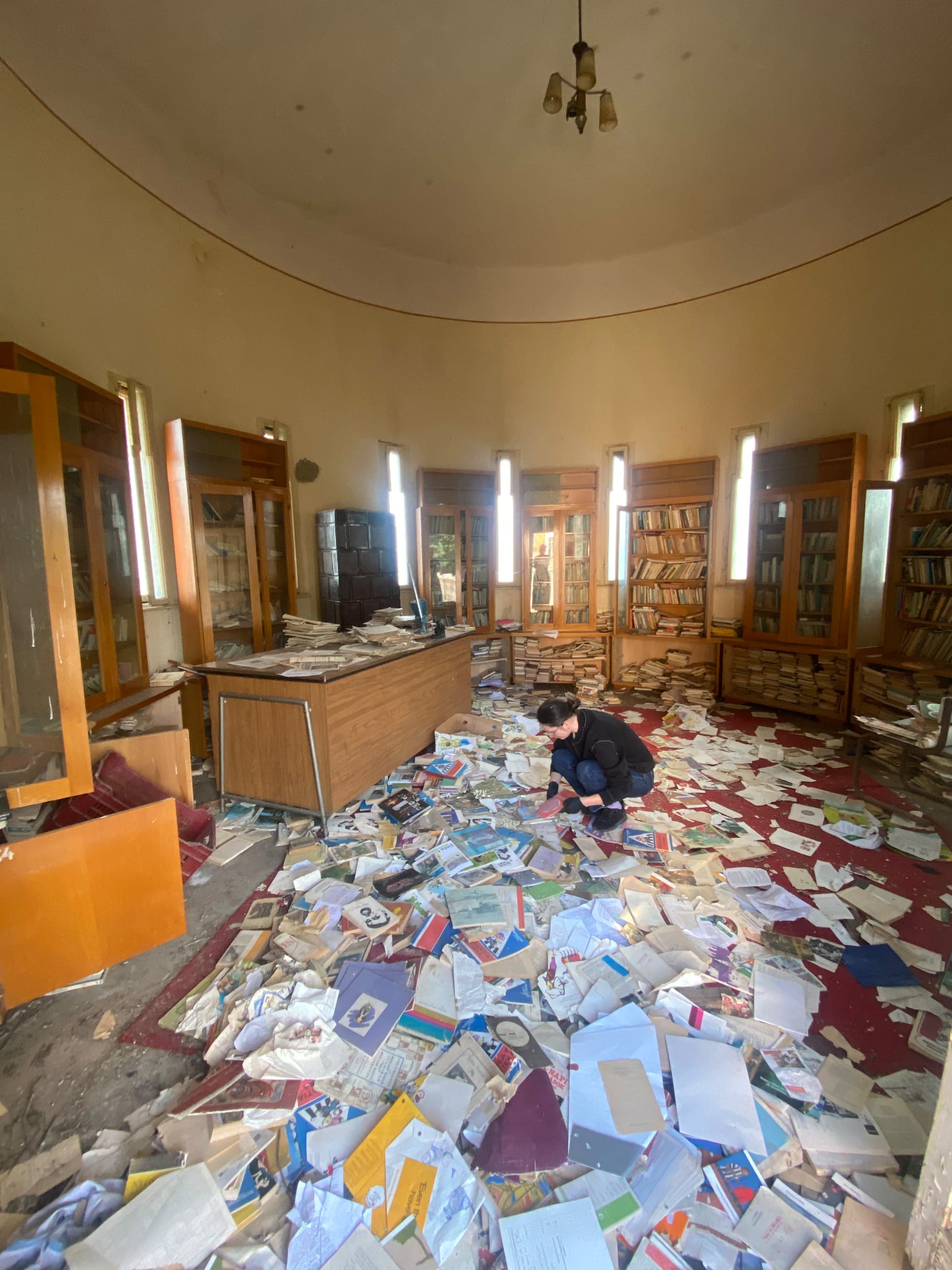
Despite being a digital museum, they follow a rigorous methodology. As Iris explains, ‘’you choose objects with documentary value, objects that help you understand a historical process. You don’t take everything. You choose what can generate further questions.”
Most of their archive is public and is constantly being updated. The Museum of Abandonment was always meant as a research tool, both for the team and for general use by journalists, researchers, and other NGOs.
Collective healing can only be achieved through collaboration and informed knowledge building, and sharing. “The abandonment map… the dictionary of abandonment… all are tools that we believe the general public and the specialized audience need.”
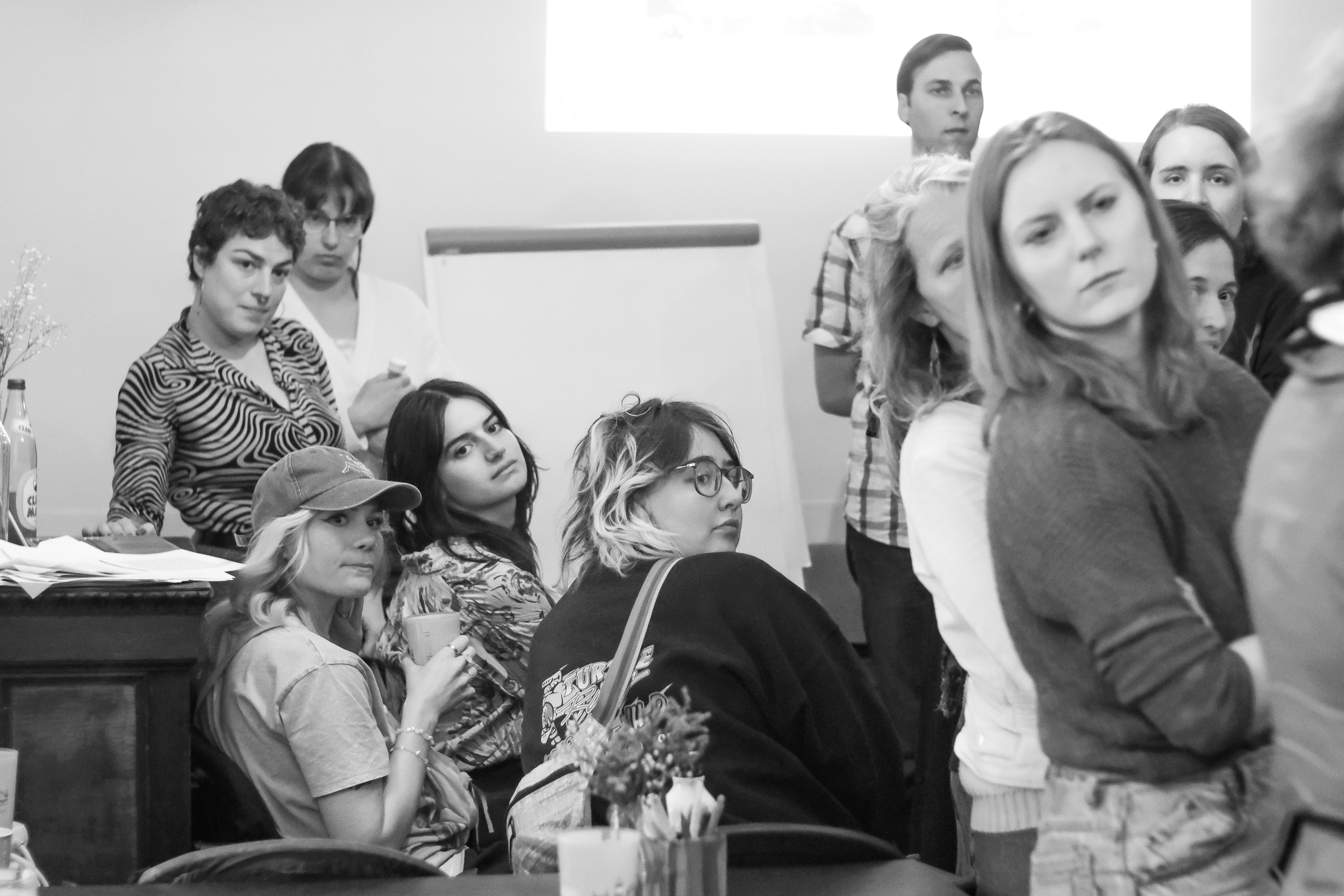
The team also often holds workshops in schools and works closely with IICCMER, university departments of museology, and other NGOs. However, due to a lack of consistent funding and the absence of systemic endorsement and support from the state, this often adds more labour to the team’s shoulders. As Iris puts it ‘’People are open to it, but the work still has to be done by us. We need mediation tools so the museum can become part of an alternative curriculum.”
The Gendered Burden of Remembering
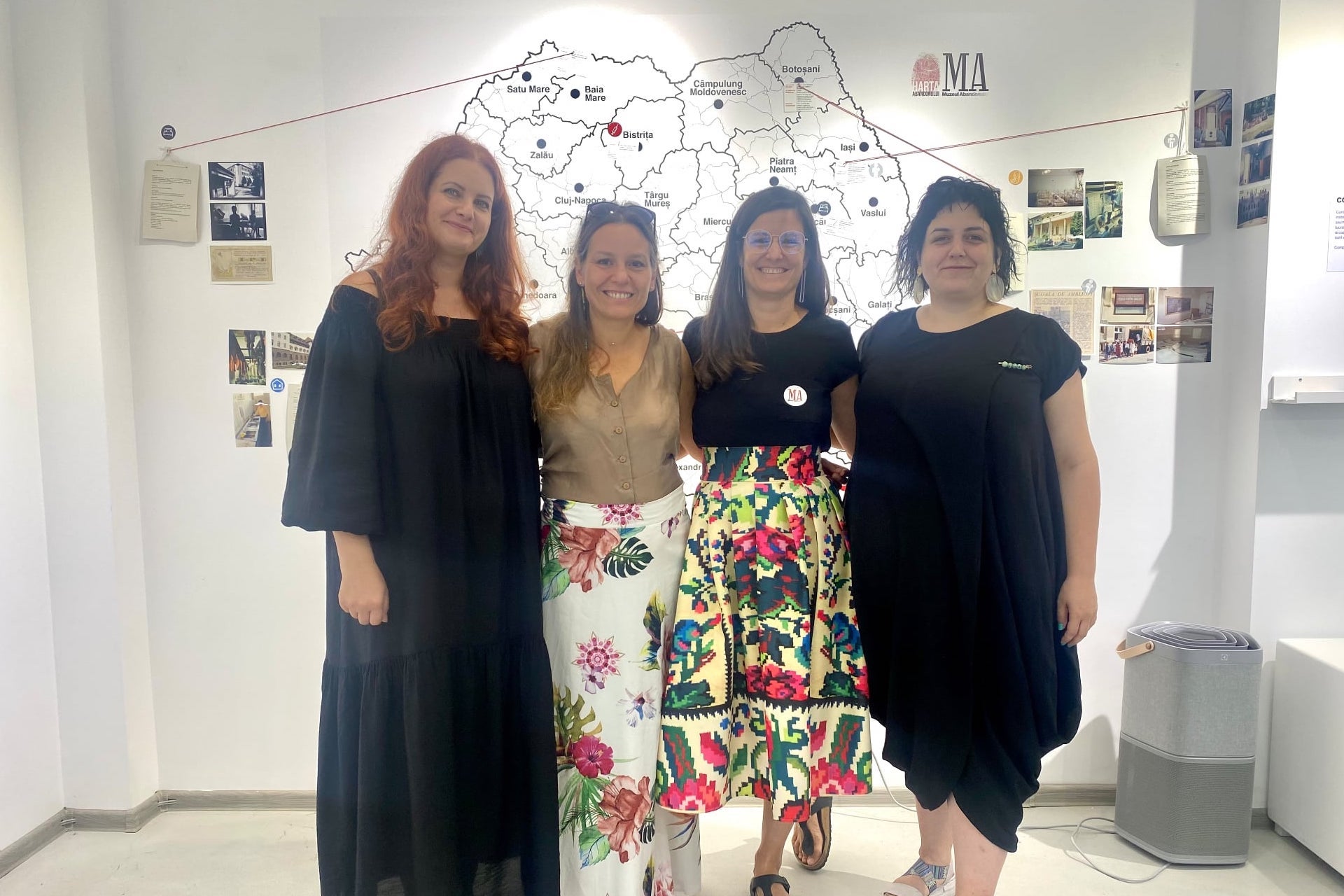
It is not lost on either of us that the Museum of Abandonment was founded by women and is run by a majority-female team. Romania was and remains a patriarchal state at its core and yet, the burden and responsibility of remembering and creating best practices for healing is carried by women.
‘’I don’t like essentialist explanations, but it’s not a coincidence either,” Iris laughs, in response to Oana pointing out that, especially in a society like ours, women learn how to be more empathetic.
Data seems to back up that claim.
National data shows that around 85–87% of social service workers in Romania are women, significantly above the EU average, reflecting a persistent feminisation of care sectors that include child protection and community support.
That trend is generally reflected in the NGO field, too. A CSDF survey cited in the Civil Society Index indicates that in a sample of Romanian civil society organisations, women are represented in leadership positions in about 90% of the organisations consulted. The same study notes that women predominate among NGO employees across most fields.
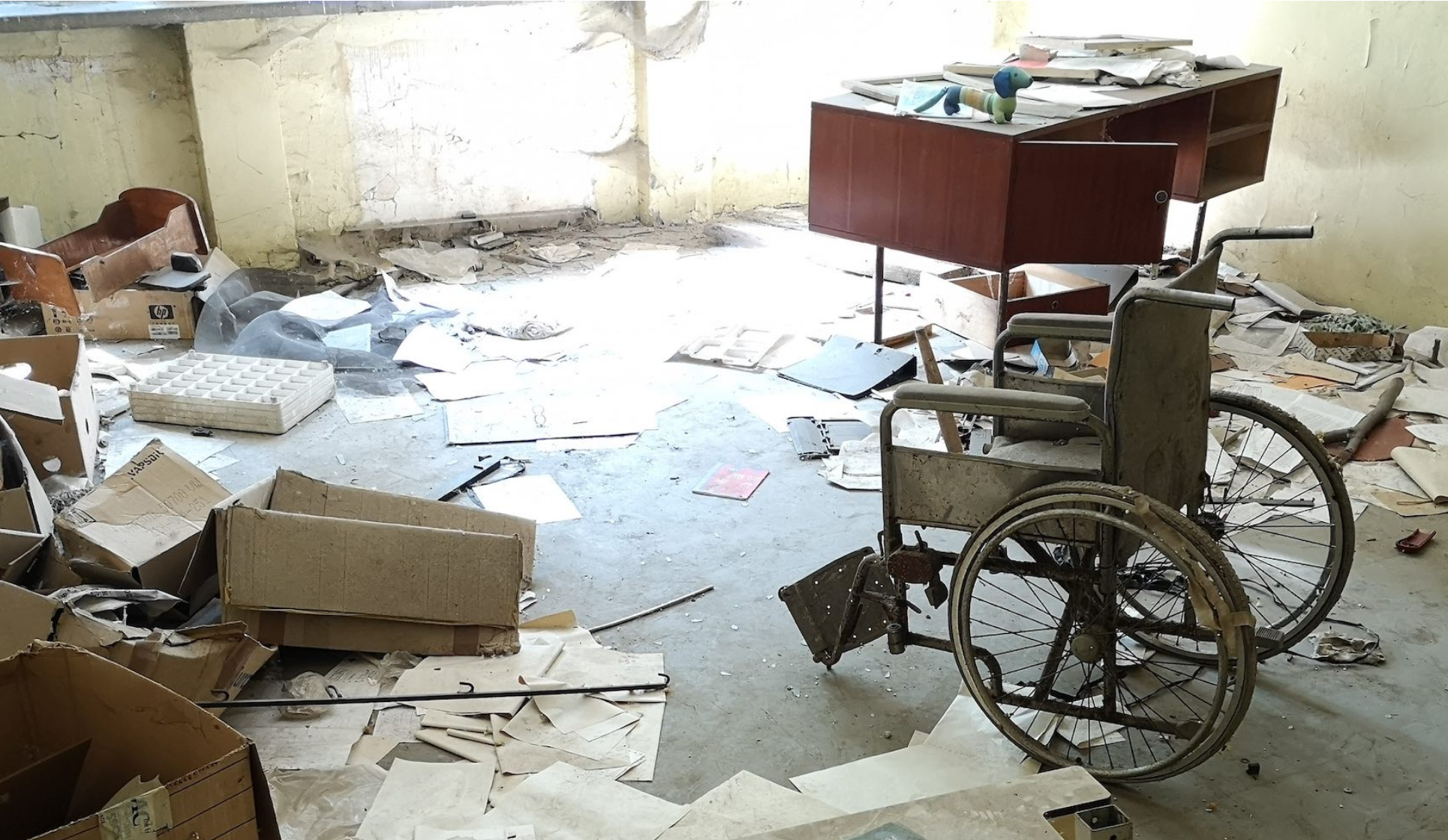
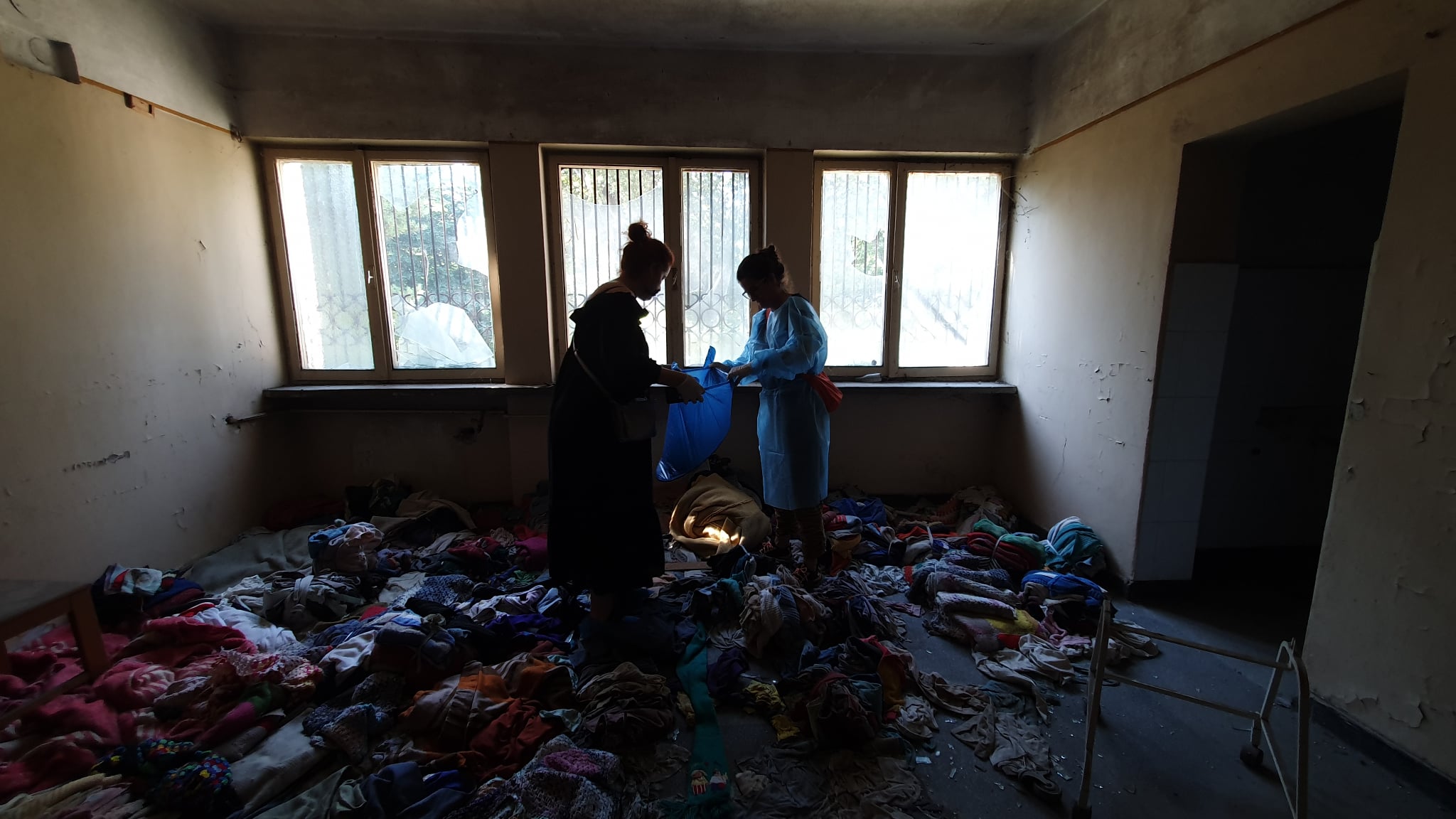
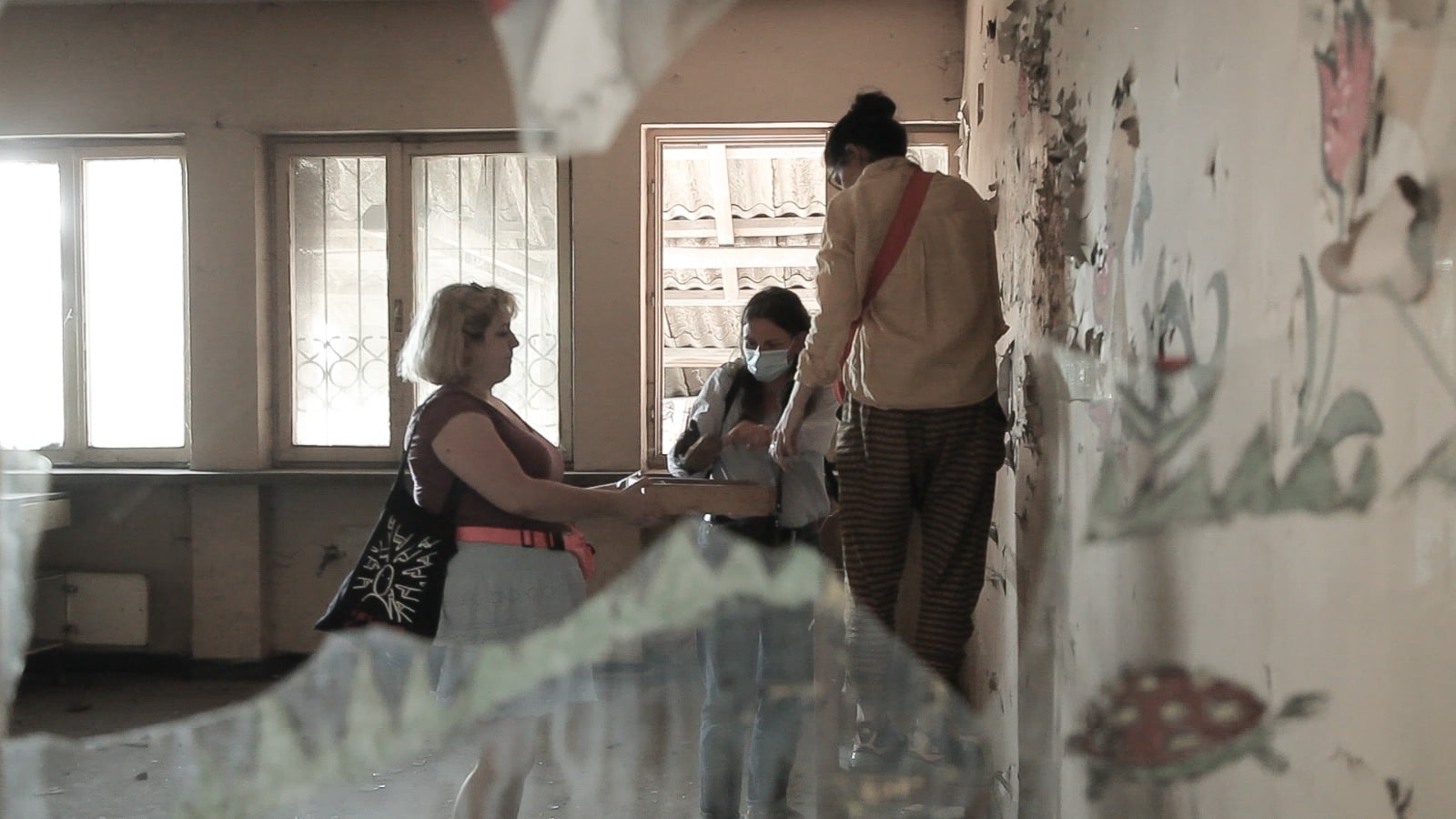
But what cannot be ignored is the toll that a project like the Museum of Abandonment takes on the women involved. When the team conducted their first field visit to the Sighet hospital-home, one of the places that housed ‘unrecoverable’ children and one of the sites with the highest death rate for institutionalised children, Oana recounts a moment that she still carries with her. “I found a notebook with a report about a child who had died. I brought it home and didn’t know where to put it. I kept it in a shoe cabinet for months. Every day I’d open it and think: today I’m ready. And I wasn’t.”
It’s easy to tell that both Oana and Iris are aware that this kind of work is emotionally unsustainable for most people. Many of the volunteers who helped with the archives told them that while it’s meaningful work, they just can’t do it. “There isn’t anyone from the team who hasn't taken a break and hasn't had a moment when something from their personal life, combined with the extreme pain from here, knocked them down.”
But for Oana, staying down isn’t an option. ‘’The museum inhabits me,’’ she admits with a shrug.
Romania and Beyond
In October 2024, the Museum of Abandonment became the first museum entity in Romania to be a member of the International Coalition of Sites of Conscience, a network of over 370 members from more than 65 countries, that aims to confront violent legacies of the past to find innovative solutions for current social justice issues. It’s important for the museum to engage with other scholars and experts from the field of memory-making and to consult on best practices with colleagues from other countries.
“These things happened everywhere — in America, Canada, France, Germany,’’ Oana acknowledges, ‘’the difference is that in Romania they are still buried.’’
It isn’t just Romania where generational and collective traumas are still taboo on public agendas. Scholars of post-communist memory politics note that many countries in the former bloc dismantled institutions without fully documenting or processing their harm, replaced regimes without restorative processes and focused on political transition instead of social repair.
Added to that is also precarious funding for social and cultural initiatives.
This is why digital and community projects have been popping up around the region. Modular, open-access memory tools and innovative uses of digitalisation allow these initiatives to become more sustainable in the long term and adapt more easily than traditional institutions.
A Teenager On Its Way, A Child Remembered
When I ask Oana and Iris about the future, they tell me they have an endless pool of ideas and an increasingly empty pocket. “I see the museum now as a teenager,’’ Iris muses, ‘’frantic, difficult to communicate with. I hope that in ten years it will have found its place.”
There is frustration when Oana says that this is work that should be at least partially funded by the state. “We are not archiving the pain of our families. We are memorialising the pain of a nation.’’
At many points throughout the conversation and the documentation for the article, James Baldwin’s quote looms over me: ‘’The children are always ours, every single one of them.’’ What happens when a society forgets its children?
Forgotten children tend to grow into forgotten adults, overlooked by the systems meant to protect and nurture them. Open wounds fester no matter how often we turn away from them. A societal gap widens and widens, until there is no way to hear the people from the other side. A society that remembers will heal. It will also, probably, have an easier time building a bridge where we may meet in the middle.
All photos courtesy of the Museum of Abandonment