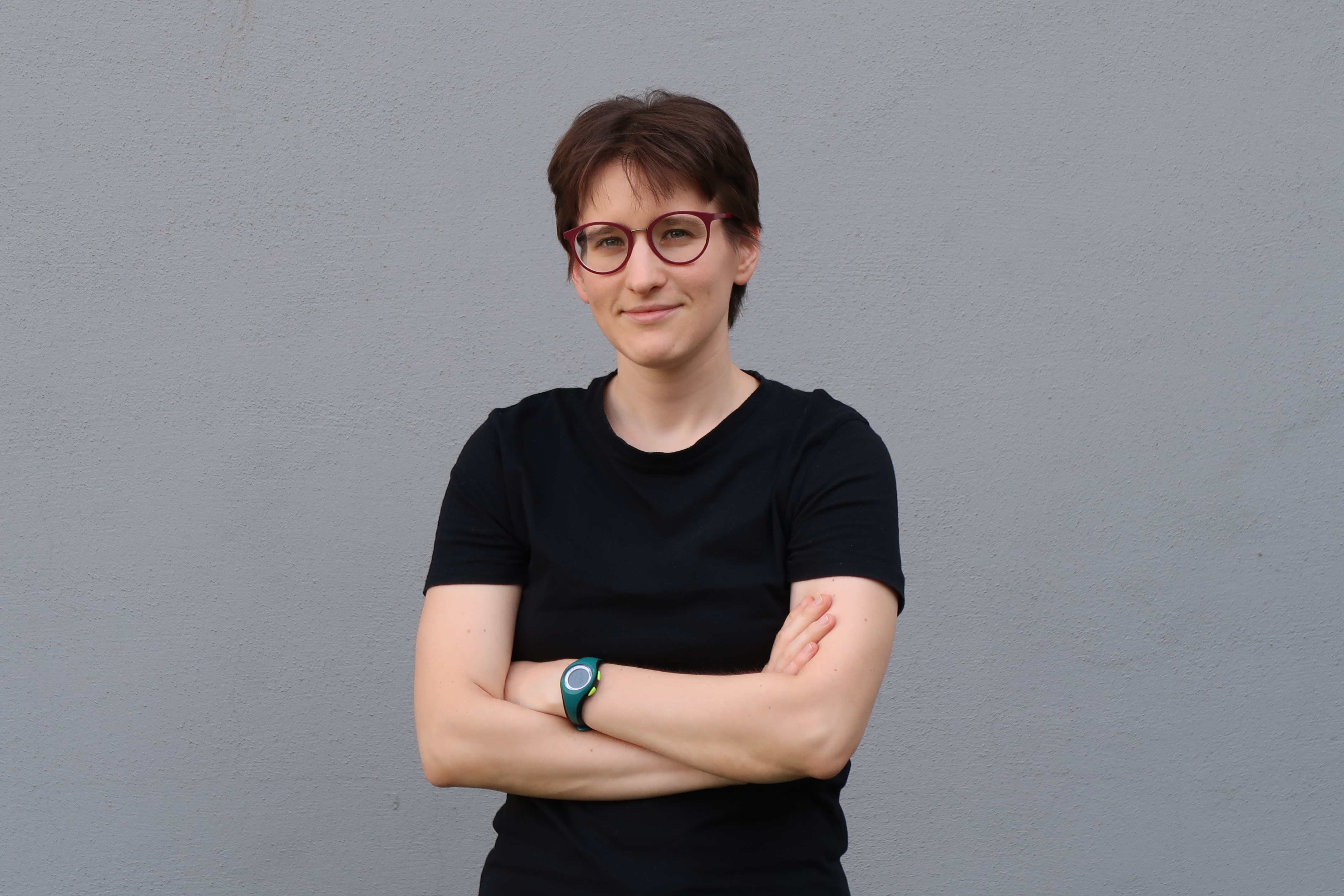
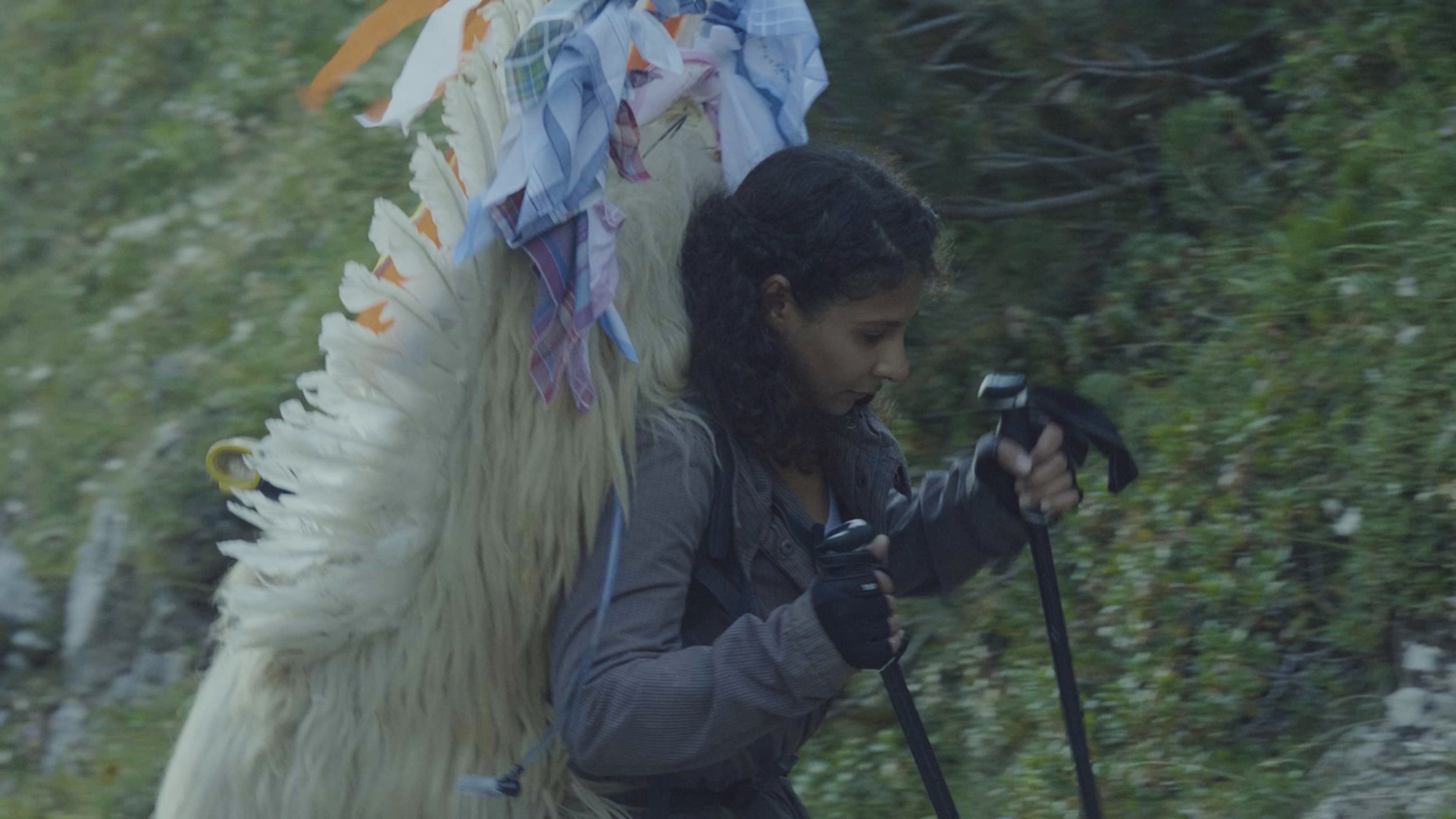

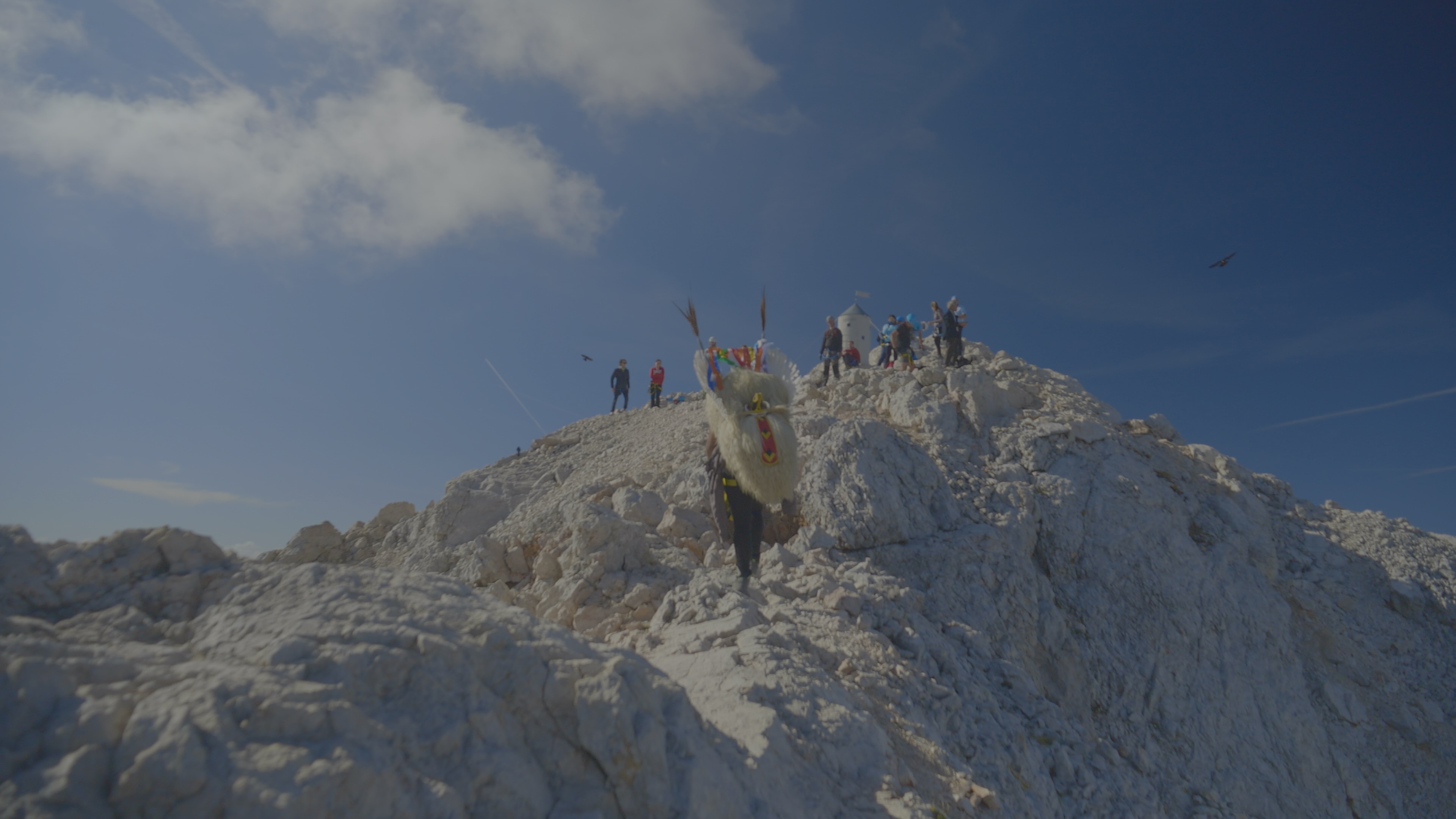
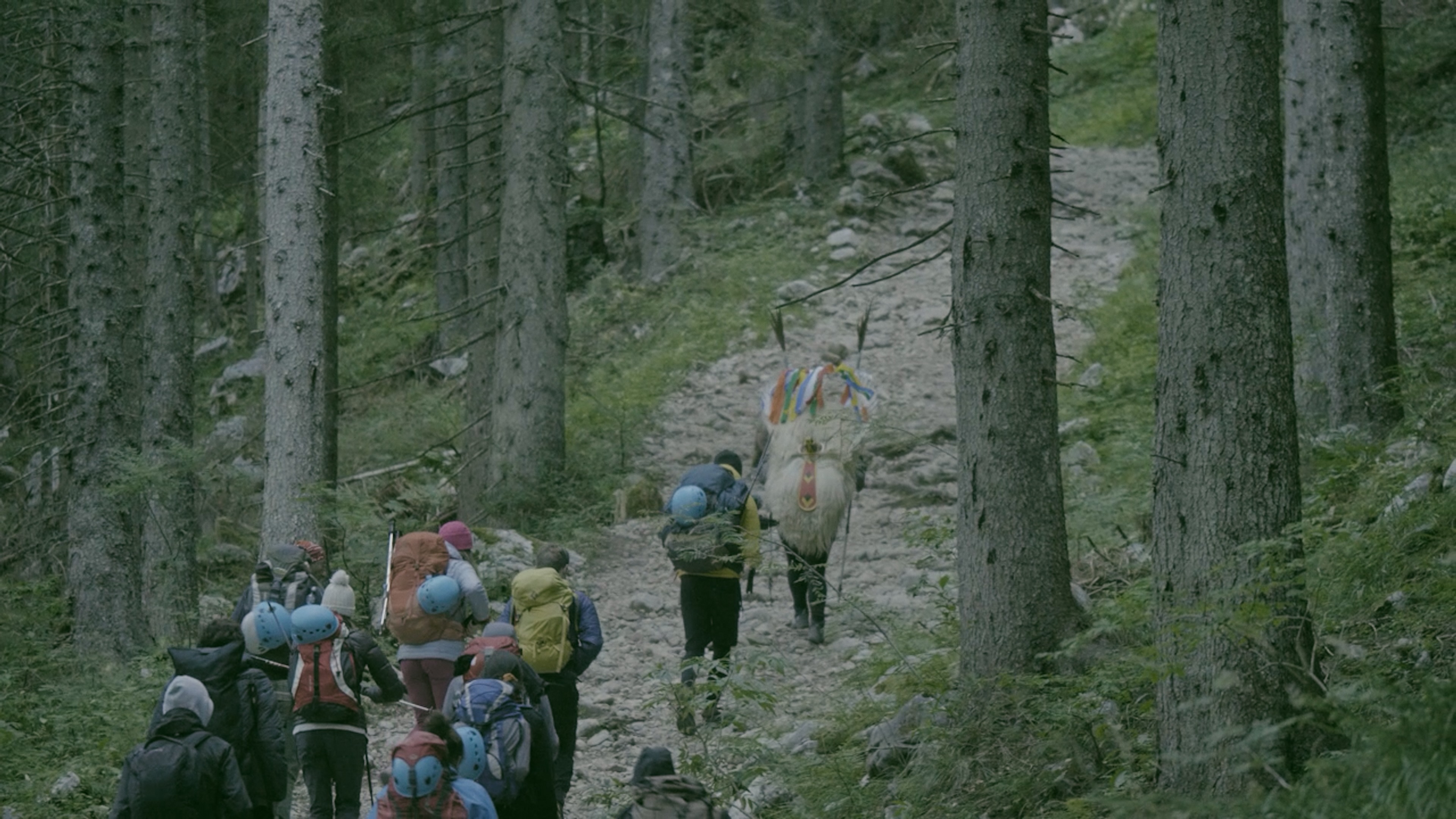
In 2021, as the young actress Lina Akif was climbing Mount Triglav, the highest peak in Slovenia and a “must-climb” for anyone who wants to consider themselves a true Slovenian, she attracted a great deal of attention. Along the way, she noticed curious stares and overheard several people remarking, “Look, an Indian woman,” using an outdated term for a Native American.
Although the remark was inappropriate, both in terms of language and context, it did not come out of nowhere. Lina was dressed as a kurent, a demon-like Carnival figure and one of the most recognisable symbols of Slovenian national identity. The ascent was part of her artistic performance titled “Slovenian Passion”, through which she sought to reflect on her own Slovenian identity as someone born to a Sudanese father and a Hungarian mother, yet raised in this Slavic country beneath the Alps.
“This project still comes back to me, people keep bringing it up,” she says as we sit over coffee in central Ljubljana. Four and a half years later, and after receiving several awards for her theatre work, she understands her identity differently.
“At the time, it felt essential, almost urgent, to identify as Slovenian. And my national identity is clearly Slovenian,” she says.
Her darker skin colour, still considered "unusual" in Slovenia, a country often perceived as largely homogeneously white despite growing immigration, and where hate speech and labour market discrimination against "foreign-looking" individuals remain a concern, is always present in her work, inevitably entering it even when race is not its central theme.
“I work in a visual medium,” she explains, “and each of us is marked in some way by our appearance. We carry certain contexts with us. This is my reality, and now I’m trying to work with it and trying to take control of it,” she adds.
Her identity as part of something bigger
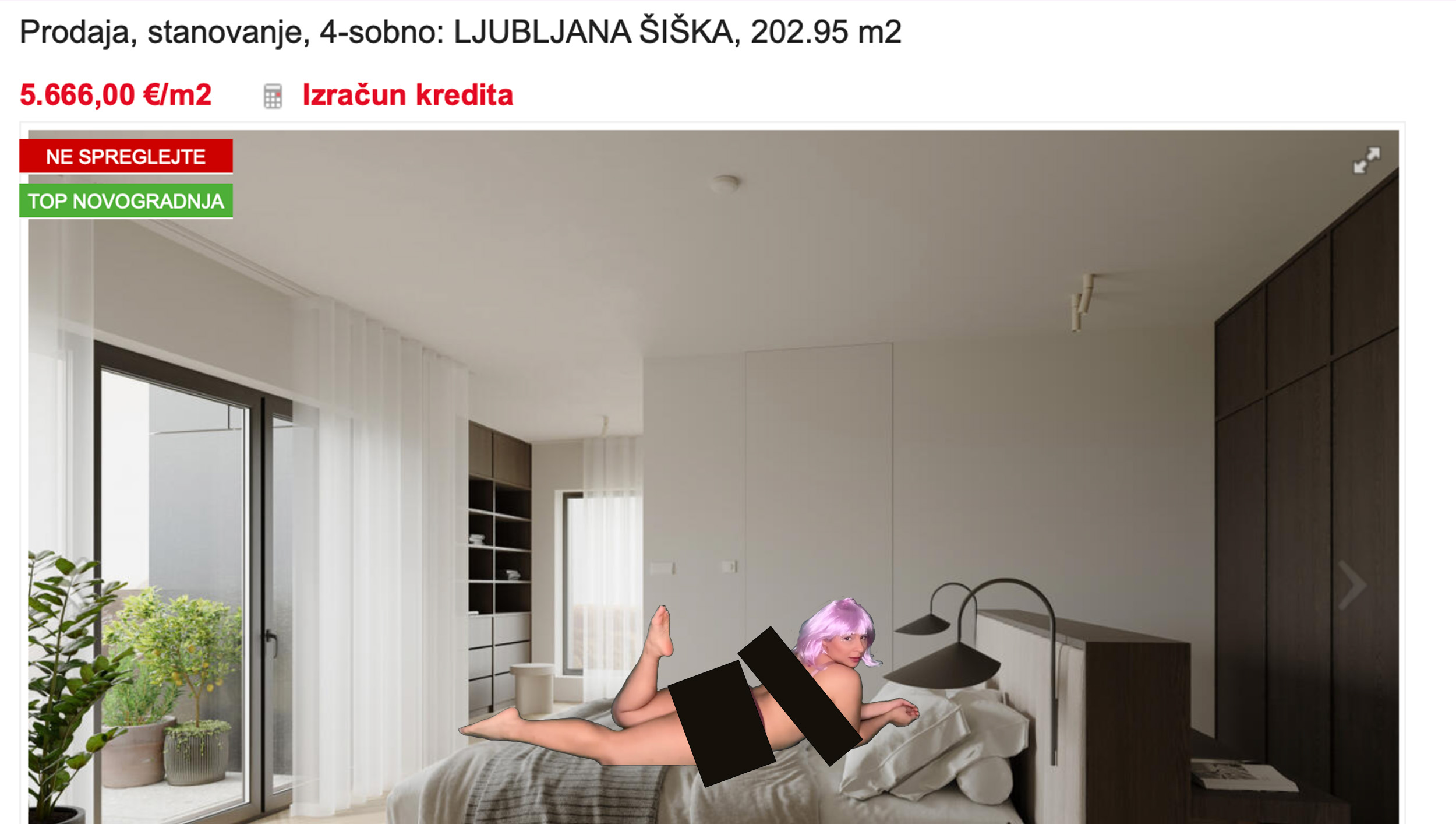
Lina is not shy about merging identity and race with other themes. One example is her seven-year performative project Čokolina, launched in 2024. The title is a wordplay on her name, Lina; a racial slur likening people of colour to “chocolate”; and a chocolate-flavoured Yugoslav baby food that remains popular in Slovenia today.
Through the project, she turned to OnlyFans as a means of earning enough money to one day afford a home, addressing, in the process, both her own struggle for housing independence and the broader crisis pricing young Slovenians and people of colour in general out of the property market, which she also addresses in lectures and artistic installations beyond the social media platform. Moreover, the work opens onto feminist questions around sex work.
Blending tropes from the sex industry with philosophical and historical lectures on the platform didn’t bring in much money, she admits, and her personal circumstances have since changed. But that, she says, is part of the project’s beauty. “It feels like the project allows enough time for those intermediate crises and transformations to unfold.”
As a student of performative arts, Lina was warned that breaking into the Slovenian theatre scene would be difficult because of her skin colour, and that if she did succeed, she would likely be limited to racially profiled roles, as indeed happened early in her career. Yet she has since secured a permanent position at the Slovenian Youth Theatre, a respected institution known for its politically engaged productions, where she now has the freedom to explore a wide range of themes and roles.
“I’m now in a phase of being transparent about some of the privileges I’ve gained, and of trying to make sense of myself,” she says. “Indeed, I’m working in the public sector, but the housing crisis in Slovenia is still very real.”
Between 2015 and 2025, the housing prices in Slovenia have more than doubled, while in the same period the average wage rose only by about 60%, according to the Slovenian statistical office.
She adds that she would also like to explore the stories of other women who turn to OnlyFans in the aim of earning enough to buy property, not only as part of a performative experiment, but as a lived economic strategy. “I've had a lot of it before, but really, once again, respect for all the creators on OnlyFans. It’s really hard work,” she acknowledges.
Returning to her roots, but with a different twist
Looking ahead, she is eager to explore her roots again, but from a new perspective: through the lives of women in the past.
One story she is investigating is the history of her hometown, Maribor, through the lens of violence against women, focusing on the mass killings during the witch hunts from the mid-16th to the mid-18th century.
“The Styrian region, where I come from, saw a particularly high number of persecutions,” she explains. Her current research traces how patterns established back then persist today, she says, and how they continue to shape sexual norms, political realities, interpersonal relationships, and even female friendships. “I’m interested in how these structures survive, and how they are still experienced now,” she adds.
She is also drawn to her Arab heritage. She is particularly interested in the stories of women from the Non-Aligned Movement, a forum of 121 countries, including many in Africa and the Middle East, that remained formally neutral during the Cold War, initiated by Yugoslav President Josip Broz Tito.
“I wouldn’t be here if it weren’t for this context,” she notes, as her father came to study in Yugoslavia thanks to it. Yet little is known about the women from these countries who travelled to Yugoslavia, and she wants to change that.
“Now, I’m focusing on women, and also on women of colour, both because these are parts of my own identity, and because I think this focus will inevitably shape whatever topics I engage with,” she says. “I think we all always return, in some way, to who we are.”