
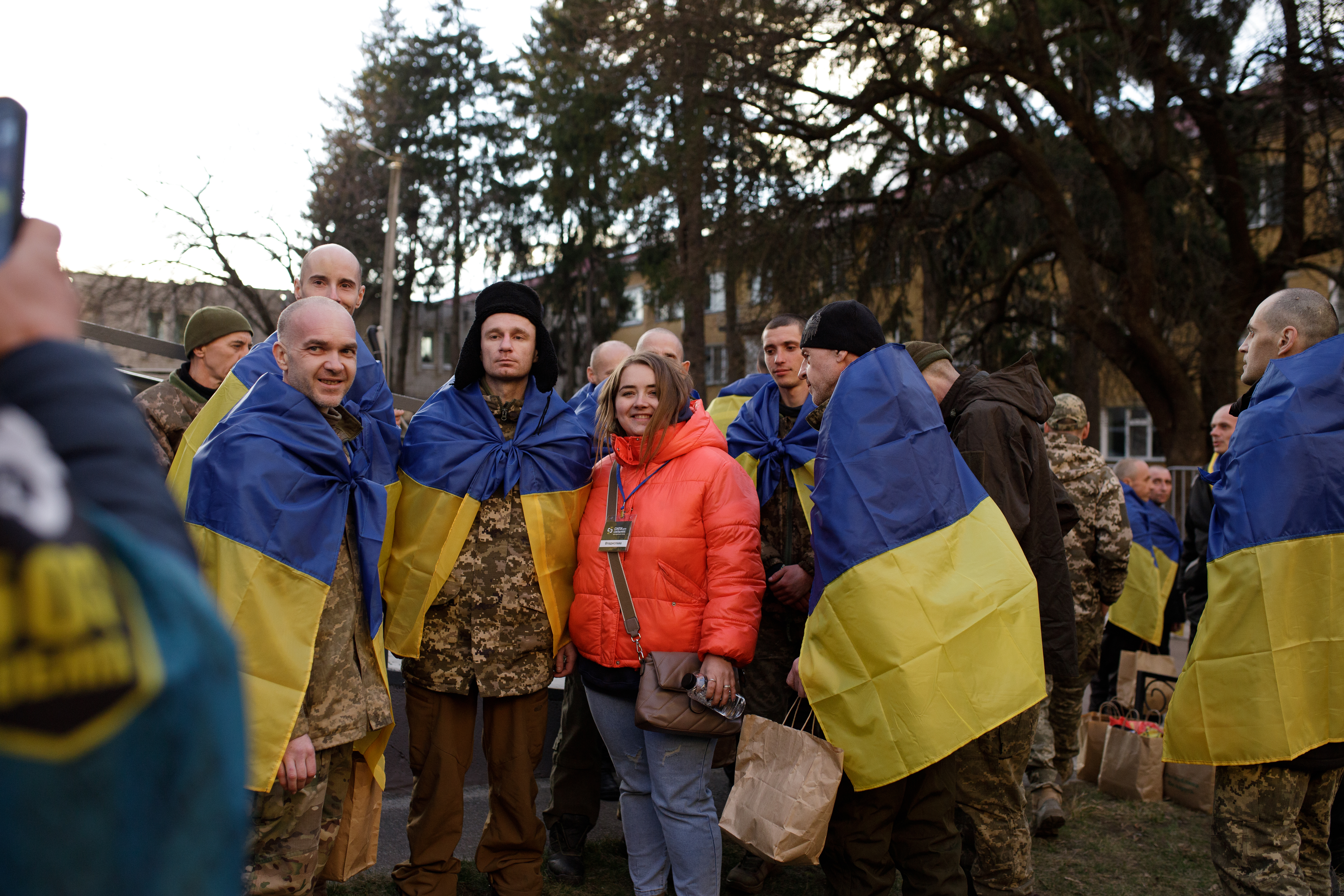

When prisoner exchanges take place between Ukraine and Russia, the team behind the Ukrainian organisation Syla dlya Sylnyh (“Strength for the Strong”) is present at the first arrival locations. They meet released prisoners of war as they step off the buses, coordinate immediate assistance, and remain involved long after the official part of the exchange is over.
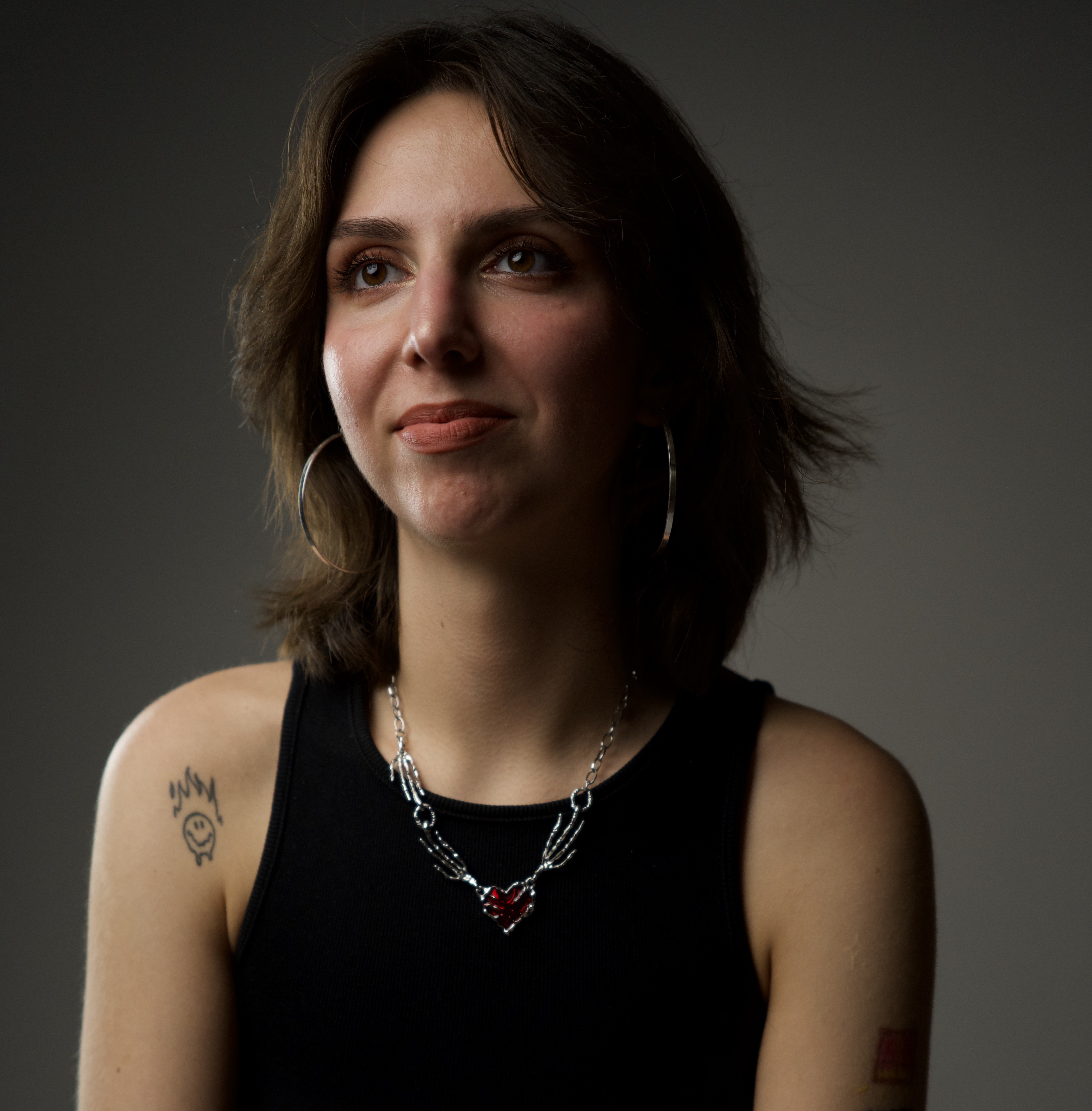
One of the organization’s co-founders, Vladyslava Nikitina, a 27-year-old HR specialist from Chernihiv, came into this work through personal loss and ongoing uncertainty. Two of her relatives, both servicemen of “Azov,” the 12th Special Forces Brigade of the National Guard of Ukraine, and Azovstal defenders, were captured by Russians back in 2022 during the siege of Mariupol. Vladyslava’s relative Mykola died in the Olenivka prison massacre in July 2022, where dozens of Ukrainian Prisoners of War (POWs) were killed. And her brother Dmytro remains in Russian captivity to this day.
“I hope that eventually there will be no need for our work,” says Vladyslava. “The work of our organization must eventually come to an end because everyone is home and safe and doesn’t need our help anymore. But for now, I realize that our support will be essential for at least 50 more years.”
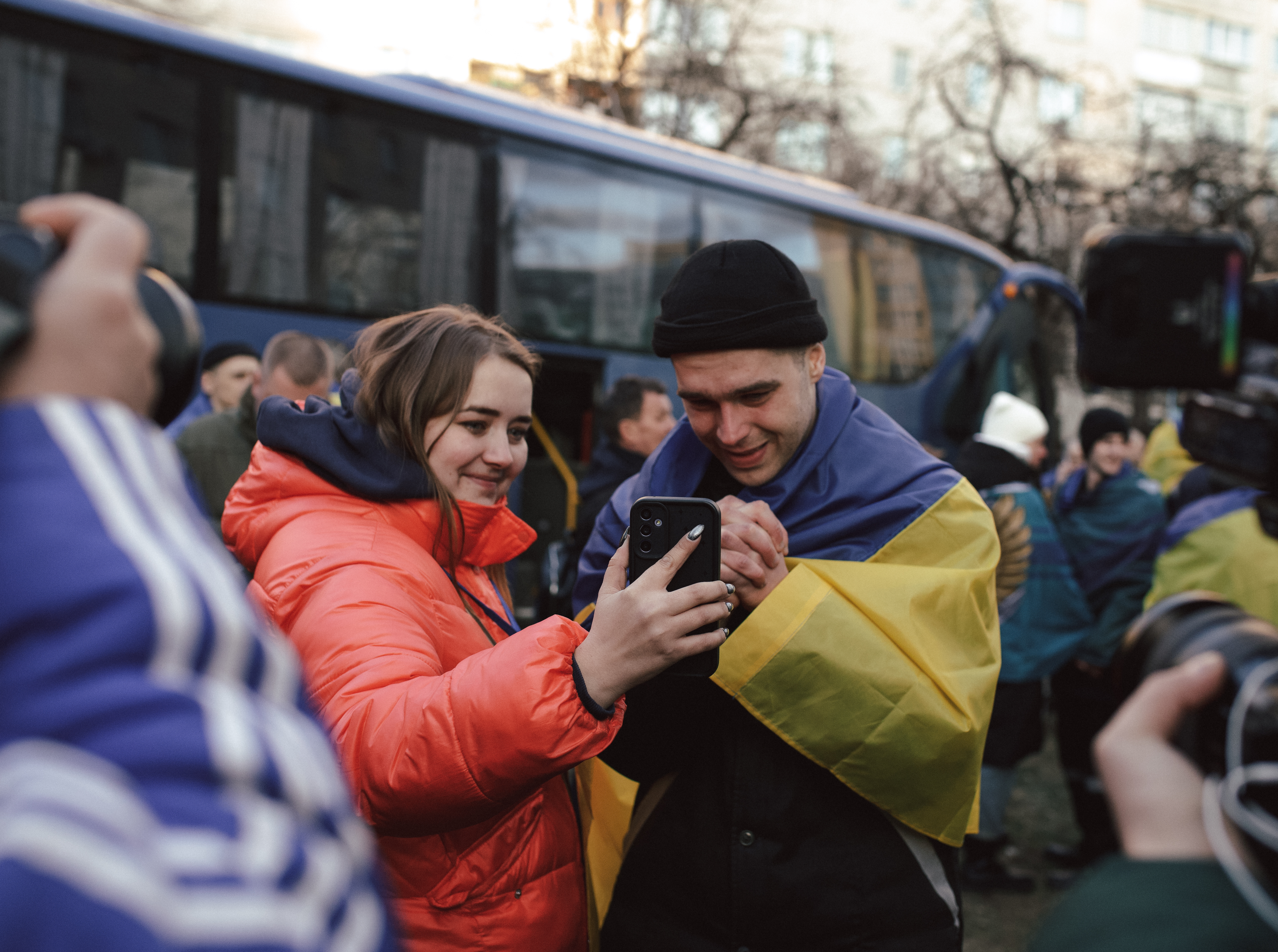
Syla dlya Sylnyh specialises in working with repatriated POWs and the families of those still in captivity or missing in action — a narrow but increasingly urgent field. Its work combines on-site response at first arrival locations, psychological referrals, legal and informational coordination, and long-term community support.
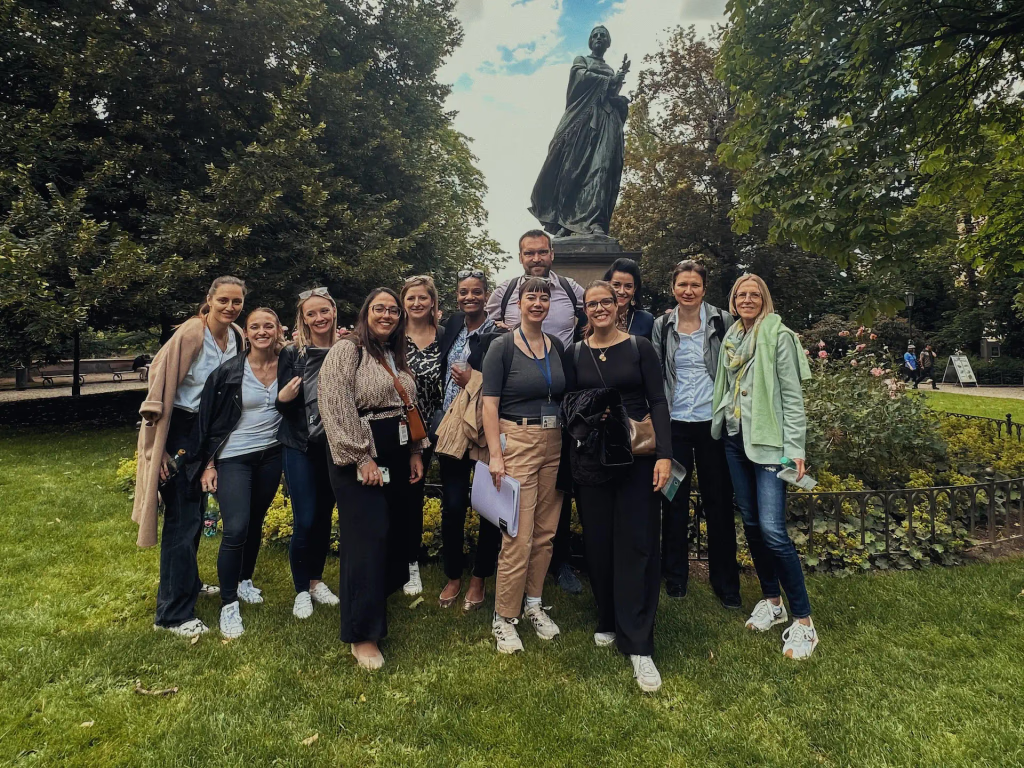
Founded in December 2024 by three women, the organization has grown steadily over the span of its existence and now assembles a team of over 70 people, most of whom are volunteers.
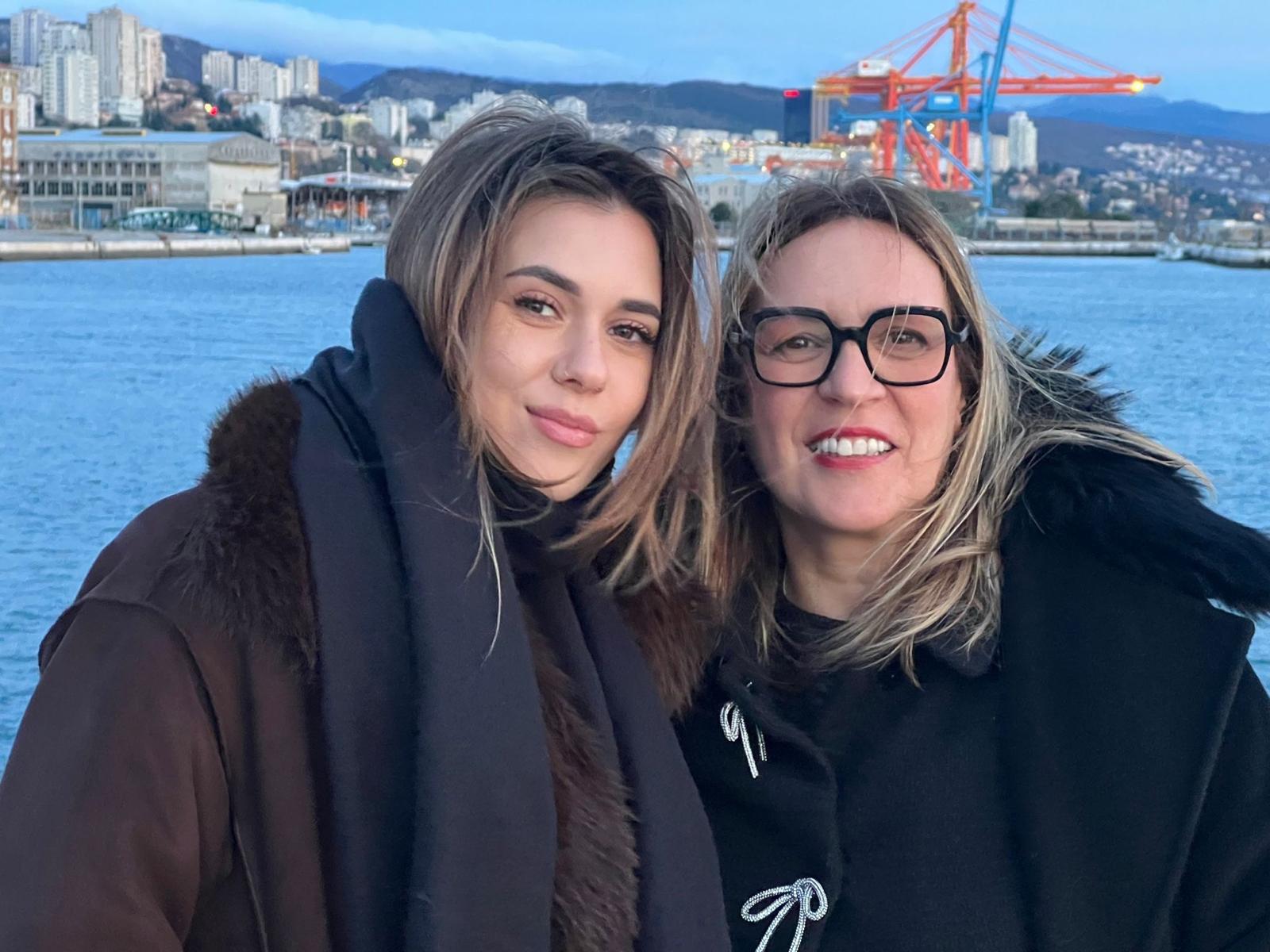
Vladyslava is one of the leaders of the company and, being the only founder with the experience of having loved ones taken captive, she is the one specifically responsible for working with repatriated POWs. The two other co-founders, Anastasiya Chakubash and Anastasiia Artemova, are in charge of financing and supporting the families of POWs, respectively. Together, they work on the immediate and long-term consequences of captivity: post-exchange coordination, psychological stabilisation, and family support.
“Captivity Kills”: The Reality and Consequences of Russian Detention
According to Ukrainian authorities, around 7,000 Ukrainians still remain in Russian captivity. Exchanges occur periodically and are widely covered by Ukrainian and international media. The latest POWs swaps took place on March 5th and 6th, with 200 and 300 Ukrainians returning home, respectively.
Realistically, however, the actual number of Ukrainian POWs is hard to estimate. As Vladyslava points out, missing soldiers could also be kept captive. “There are tens of thousands proclaimed missing. If even 1% of them are in Russian captivity, that’s a very significant number,” she says.
Over the years of the full-scale Russian invasion of Ukraine, it has become evident that being taken captive by Russians is not at all a safer or better alternative to the battlefield or even death. Investigations by the United Nations and human rights organisations have documented systematic torture of Ukrainian POWs in Russian detention facilities. Testimonies include beatings, electric shocks, sexual violence, humiliation, prolonged isolation, and lack of medical treatment.
Vladyslava’s brother, Dmytro, was violently beaten after being transferred to his second detention center in Russia. He ended up with a broken spine as a result. By that time, he had already sustained multiple combat injuries, which Vladyslava found out about from other repatriated soldiers.
Naturally, besides physical consequences, the psychological damage of such treatment is severe and often long-term. “When someone endures such torture for a long period of time, they experience what can be called a psychological death,” says Svitlana Petenova (29, Vinnitsia), a psychologist at Syla dlya Sylnyh.
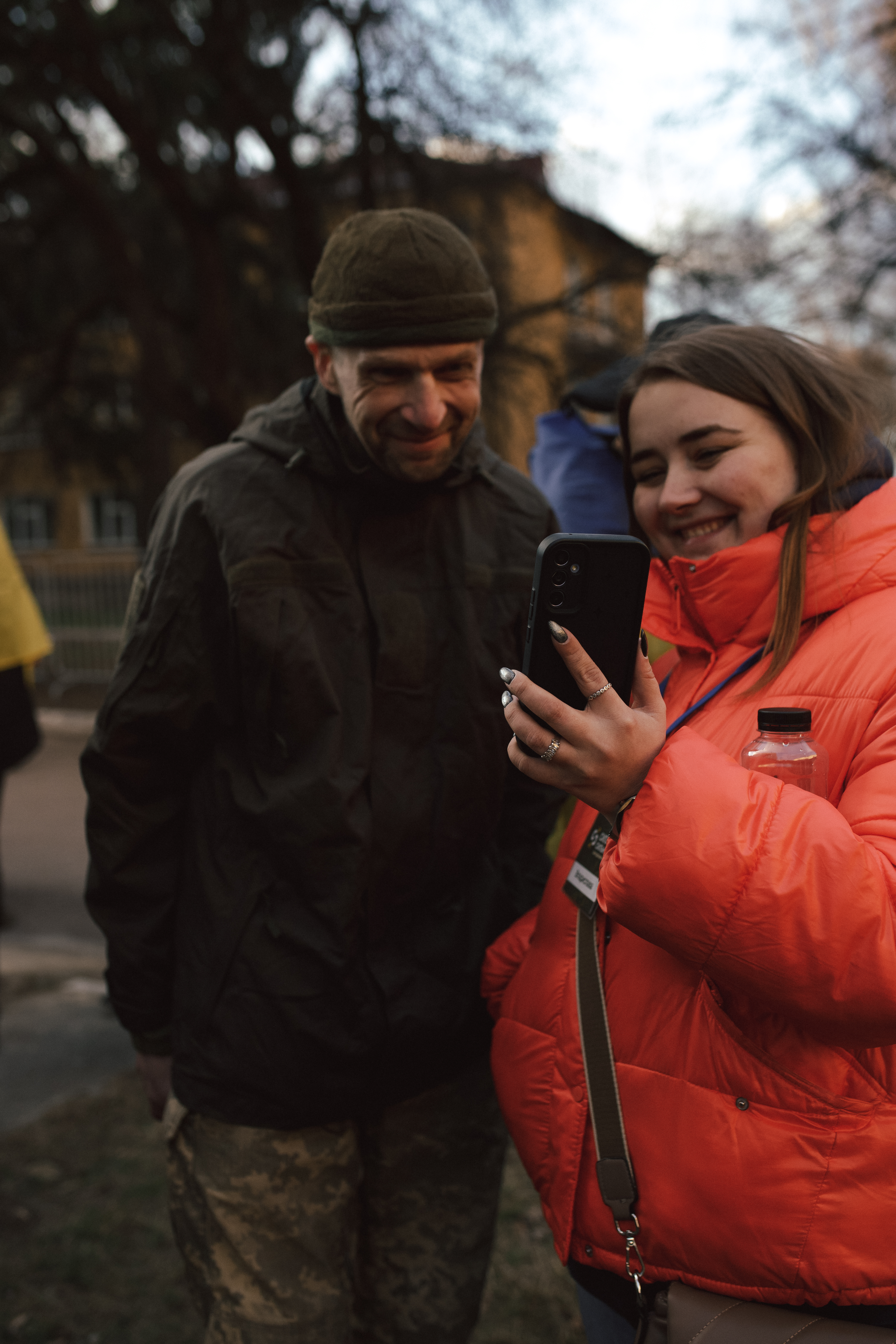
For families, the impact is different but equally destabilising. Unlike confirmed death, captivity causes prolonged uncertainty, when a person experiences the so-called “ambiguous loss.”
“People sometimes say, 'Don’t worry, he will come back eventually,” says Vladyslava. “This is wrong because you never know: did he die? Was he tortured to death? Maybe his heart simply couldn’t handle it. There are also many suicide cases. You just never know. And I can’t say what’s harder: to deal with loss or to live in a constant state of uncertainty.”
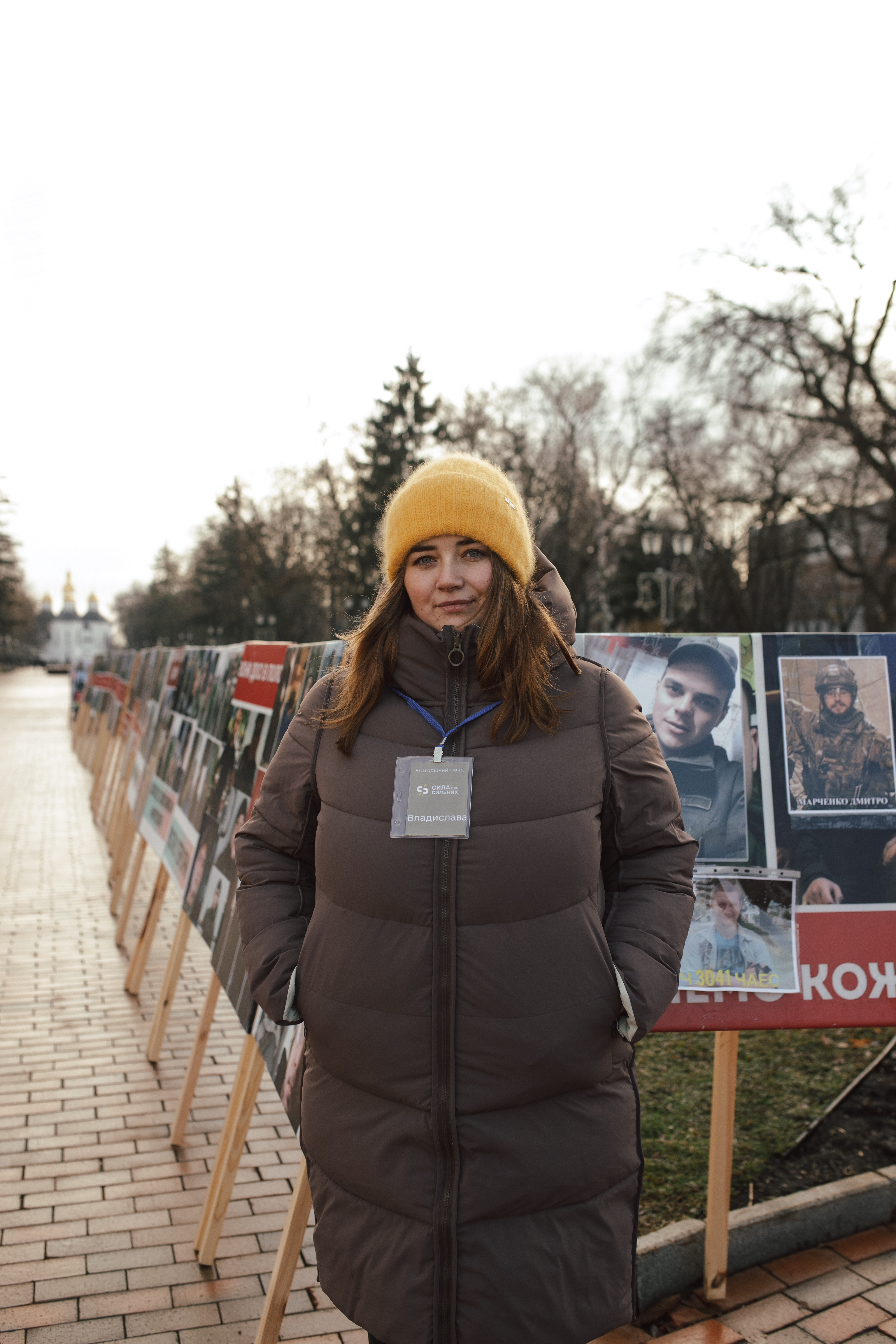
Having seen the horrors of Russian captivity, Ukrainians agree on one thing: Russian captivity is often worse than death. To this day, weekly demonstrations dedicated to bringing more attention to the issue of POWs take place across Ukrainian cities. People go on the streets with banners that say “Captivity kills” and “Free Ukrainian POWs,” pressuring the Ukrainian government and international partners to facilitate exchanges.
When it comes to institutional support, state institutions provide financial aid, medical stabilisation, and formal procedures after exchanges. However, support with navigating legal matters (often burdened by bureaucracy) and long-term psychological reintegration often depend on volunteer organisations like Syla dlya Sylnyh.
Restoring Humanity: How Syla dlya Sylnyh Welcomes Soldiers Home
“We are probably one of the few who treat soldiers equally,” says Vladyslava. “We don’t divide them by rank, brigade, or status.” Her emphasis on equality is not rhetorical. In reality, upon return, released POWs go through formal procedures, such as medical check-ups, following the system that divides them by unit, rank, or visibility. On the contrary, unburdened by institutional requirements, Syla dlya Sylnyh provides equal support to all.
“Of course, there’s also the so-called justice criteria,” Vladyslava adds. “It seems like those who’ve been in captivity for four years should have more chances to come home than those who’ve spent 3 days in Russian detention. But they all deserve to come home, and they all deserve that we fight for them equally.”
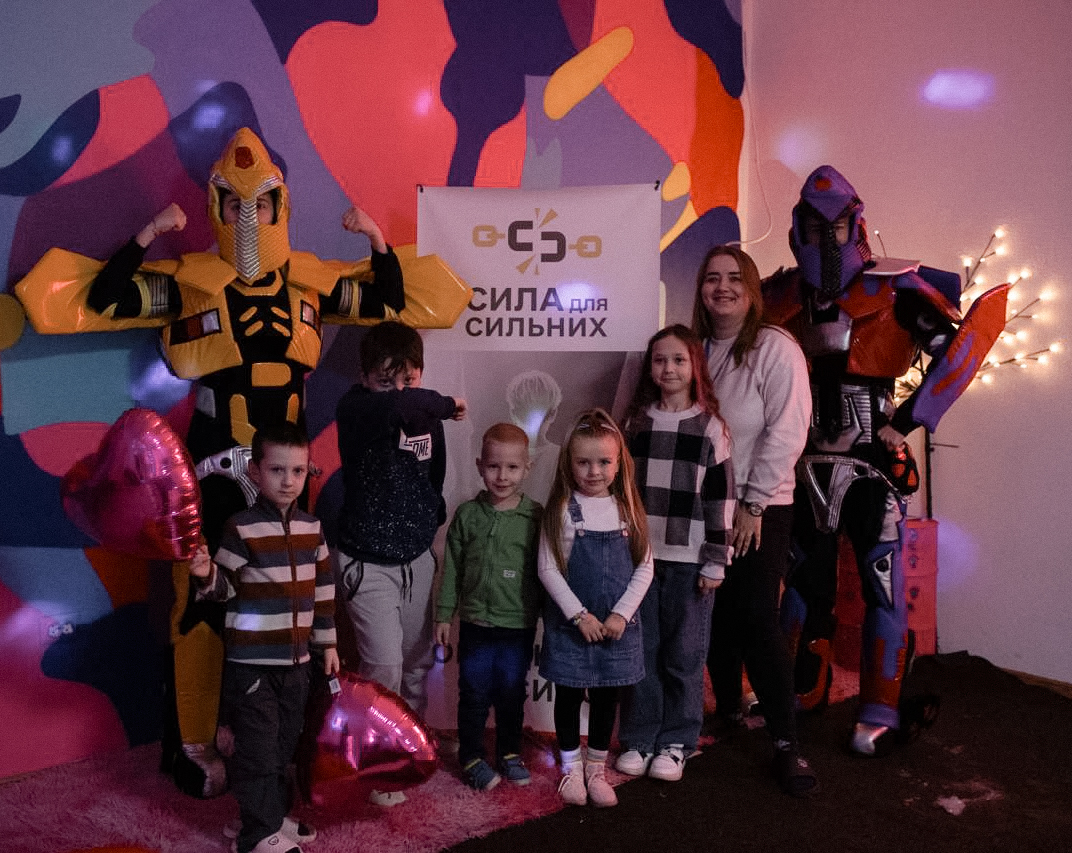
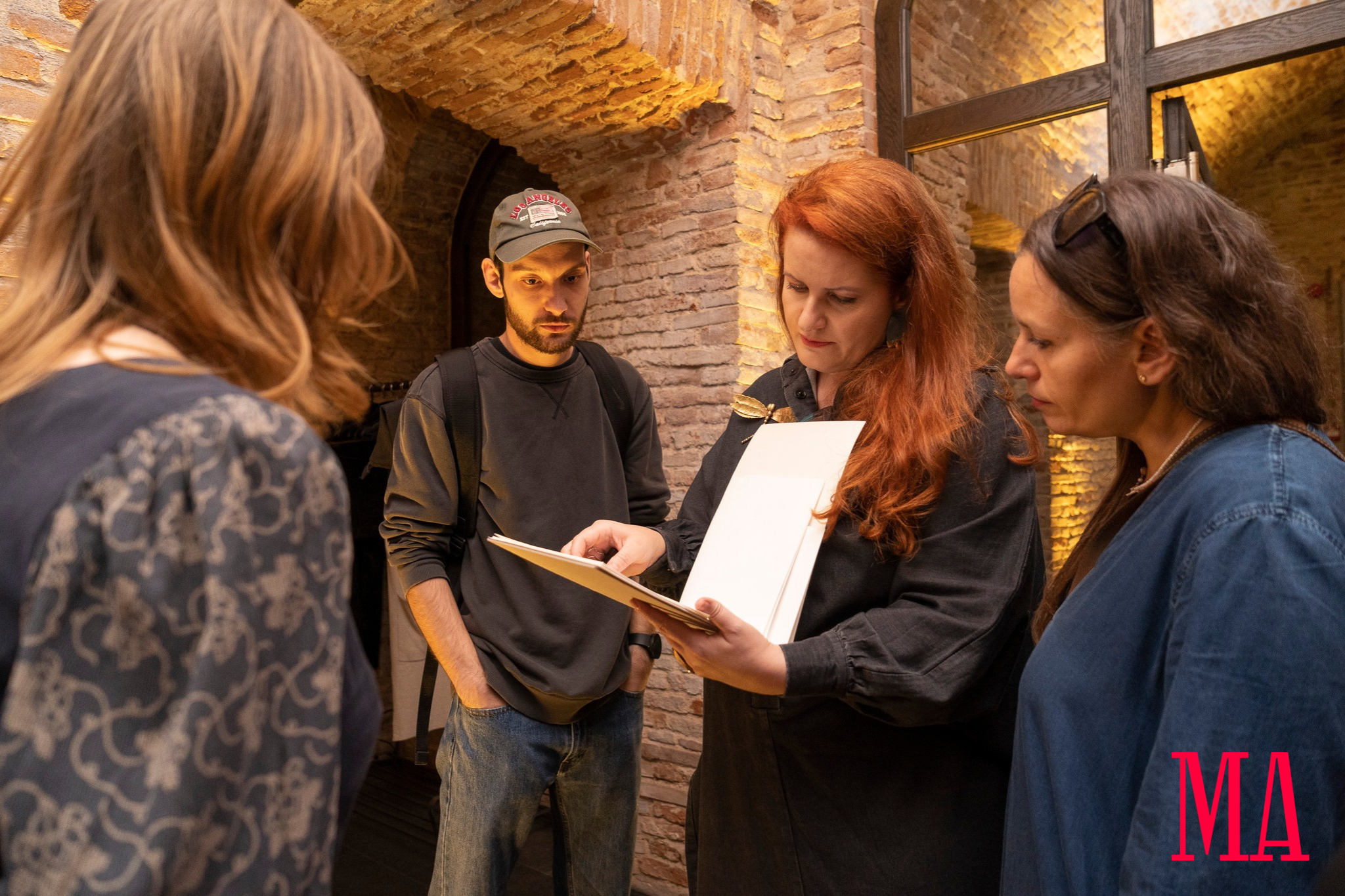
What this means in practice is that, as part of its project “Vytayemo Vdoma” (“Welcome Home”), Syla dlya Sylnyh team is present at every prisoner exchange, welcoming released Ukrainians at the first arrival point upon their return home. Besides essential items such as toothbrushes, socks, and heating pads, the kits volunteers hand out include Ukrainian flags, patriotic accessories, and children’s drawings. Vladyslava modestly describes this line of work as “acts of kindness.”
“At some point, families started coming to exchanges and showing pictures of their relatives who are in captivity to the returned soldiers, asking about them,” says Vladyslava, pointing out that veterans find this overwhelming. “When we say that we don’t have any pictures, just the kits, they [returned POWs] finally make eye contact, thank us, and we hug.”
Furthermore, the kits include flyers with the organization's contact information. This is done so that veterans can easily reach out in case they need legal, informational, or psychological help.
Fostering Community as Women’s Work in Wartime
While public attention centres on those who return, thousands of families remain in prolonged waiting. This is another dimension Syla dlya Sylnyh works with.
“People need people. This is just how it is. From the very beginning, people always needed someone to help, to rely on. When you have someone, it’s easier to put things in perspective,” says Svitlana.
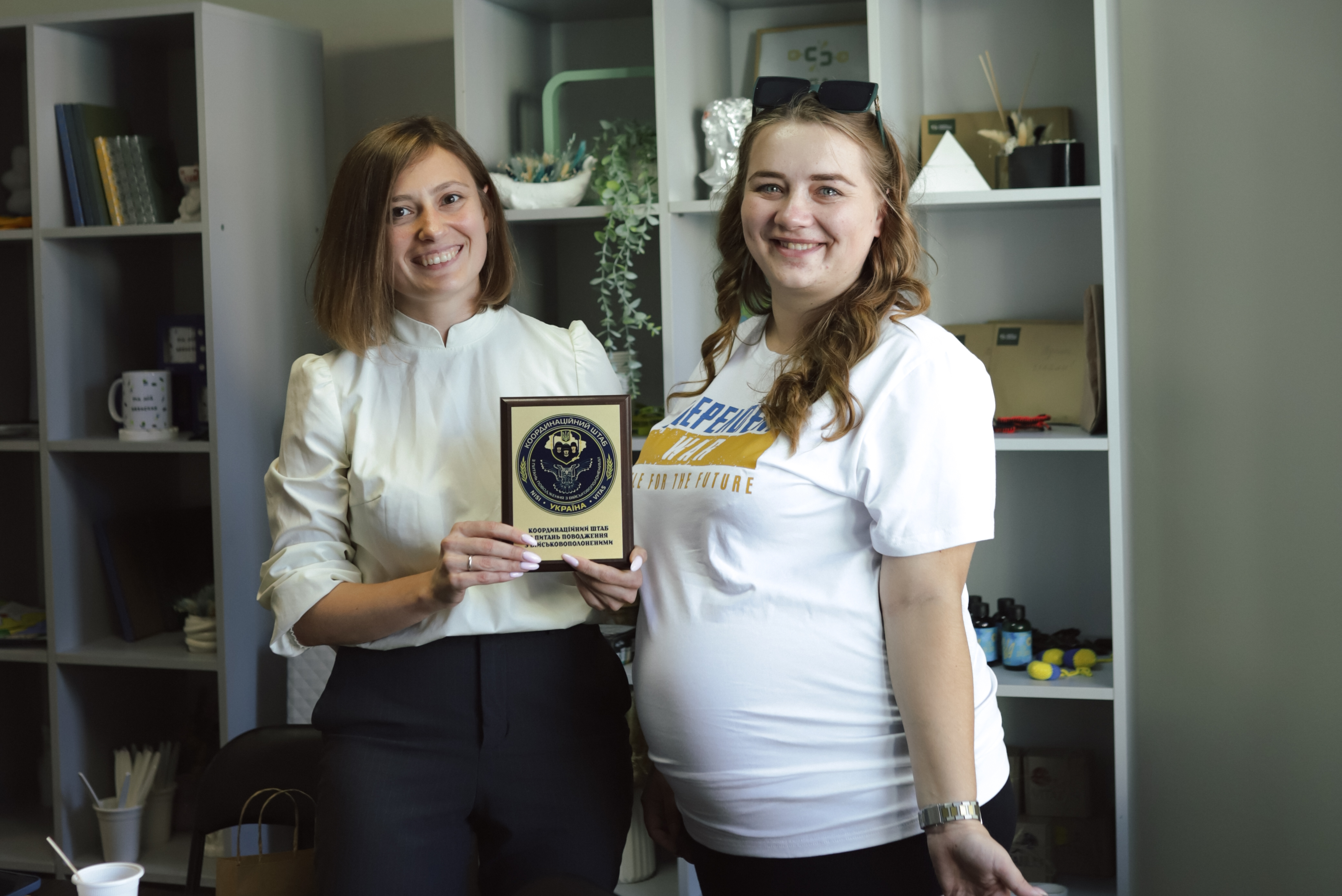
It is not incidental that the foundation was created by three women. In Ukraine, as in any war context, it is often women who remain behind to hold families and the broader home front together. Wives, sisters, mothers, and daughters become coordinators, negotiators, archivists, and emotional anchors, while also taking over traditionally male roles both professionally and domestically.
Here too, while men are overwhelmingly the ones fighting and held captive, it is frequently women who construct the civilian infrastructure around absence.
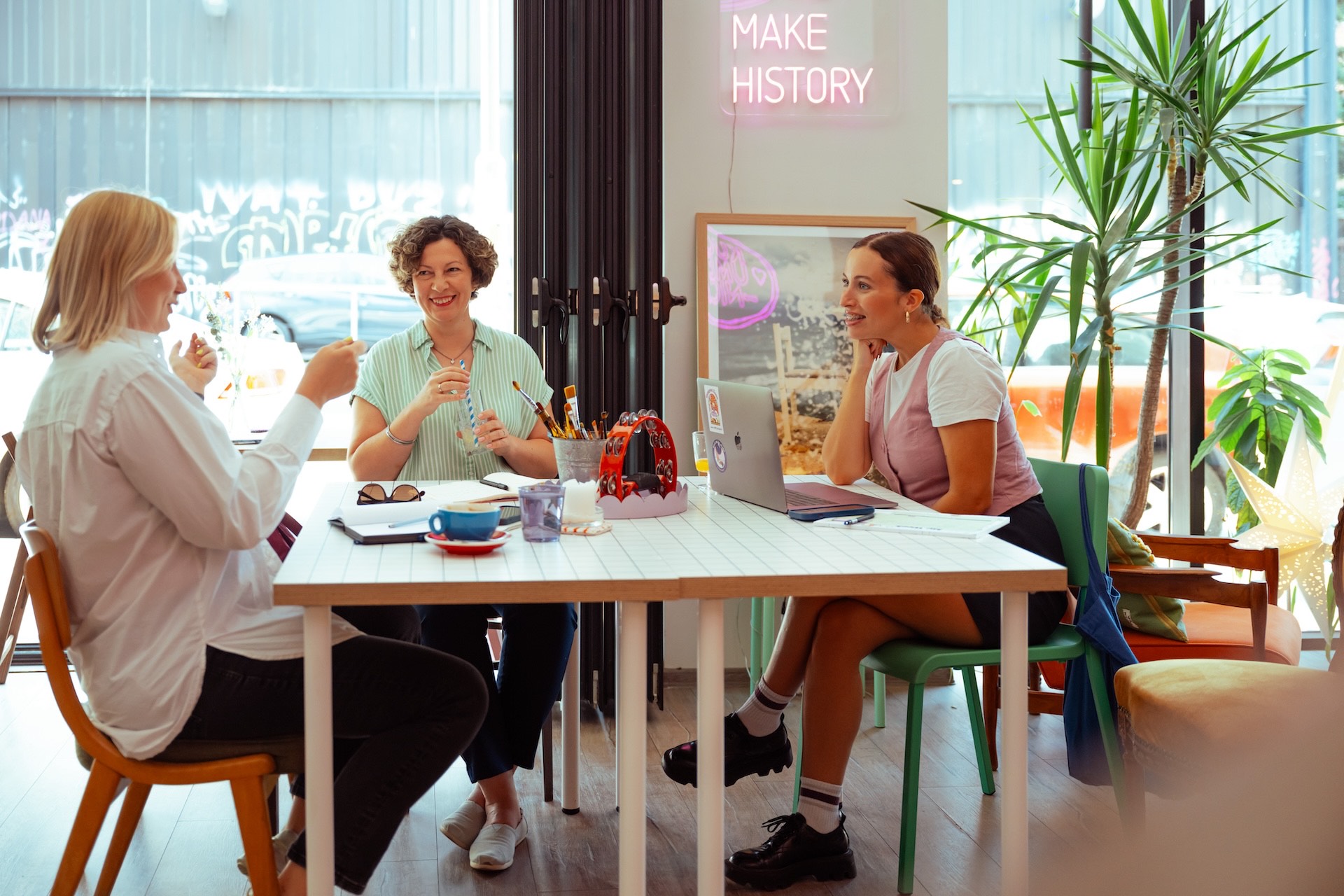
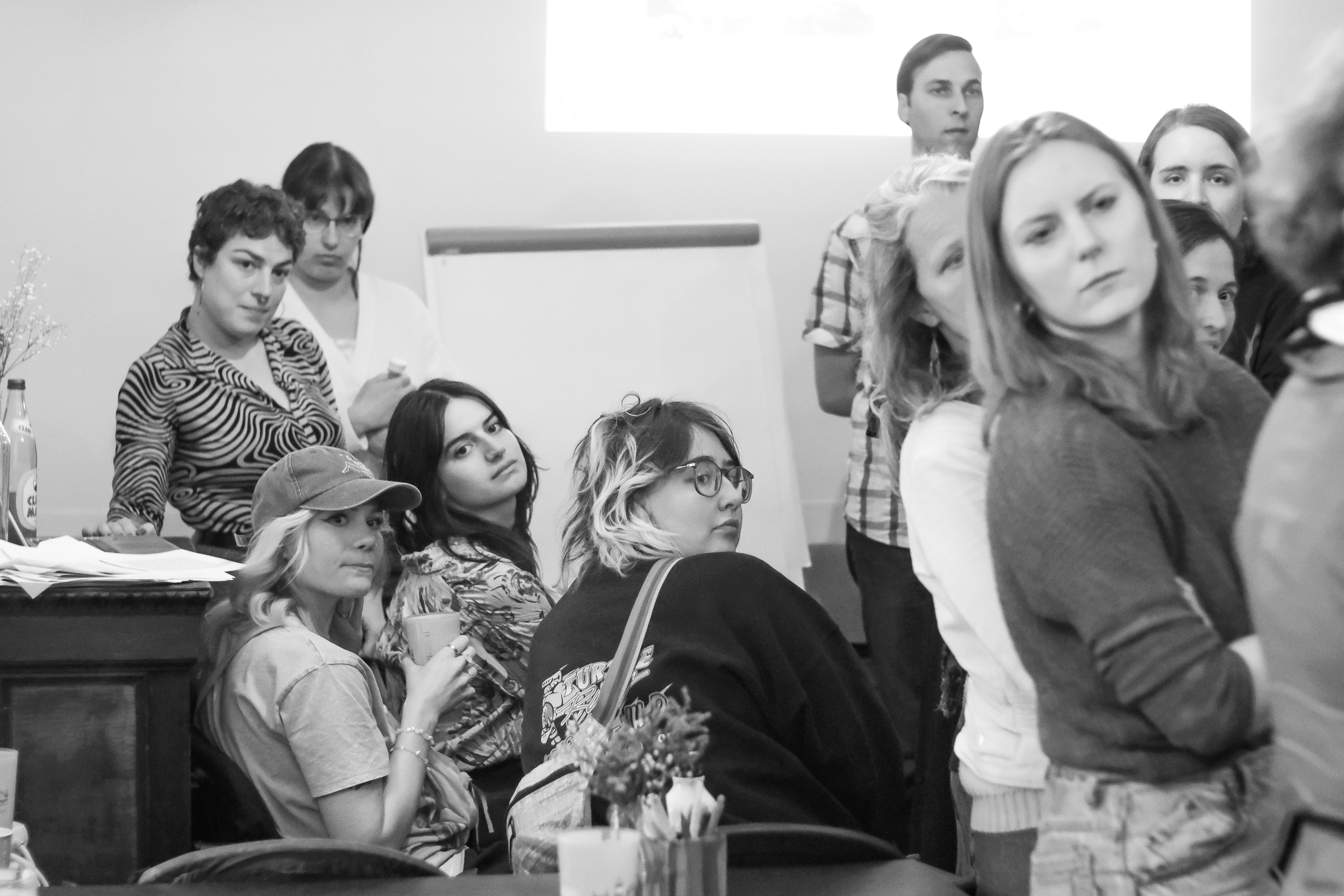
Syla dlya Sylnyh provides support to the families of POWs, MIAs, and fallen soldiers. This usually takes the form of support groups for adults and children. Besides group therapy, the organization invites families to participate in lectures, art practices, memorials, and cultural events.
“This work is about support, engagement, and unity. It’s about forming a community and being able to connect with people with different experiences,” says Svitlana, explaining the goal behind the project.
Unfortunately, the stigma surrounding taking care of one’s mental health persists. According to Vladyslava, this is where the organization often faces criticism.
“People often criticize the events we create for adult relatives. They approach it from this angle: if a person is grieving over a missing family member or a relative in captivity, they can’t take care of their mental health or even have a good time at all,” explains Vladyslava.
According to the research carried out by the mental health awareness program “Ty yak?” (“How are you?”), psychological help is now less stigmatized in Ukraine. Compared to 2022, the percentage of Ukrainians seeking psychological support has grown from 7% to 17% in 2025.
At the same time, the main reasons for turning down psychological help are confidence in the ability to deal with the issue alone and the belief that one’s problems are not serious enough. And even though people perceive others who seek mental help in a generally positive light, almost half of the respondents believe that people should be able to deal with their emotional state without external support.
This kind of social pressure is unsurprisingly effective. Svitlana shares that there are often instances when a person comes to Syla dlya Sylnyh with a request for therapy, but after getting referred to a specialist, they never reach out for help.
This is particularly common among men and has to do with the stereotyped gender perception, which is amplified during wartime. Since it is predominantly men who fight in battle, they are expected to showcase strength and endurance at all times. Within this social context, men experience shame and fear of appearing weak when seeking psychological help.
“Unfortunately, we can’t force someone to go to therapy. We can only show them that they have this option,” says Svitlana.
Navigating Challenges and Structural Gaps
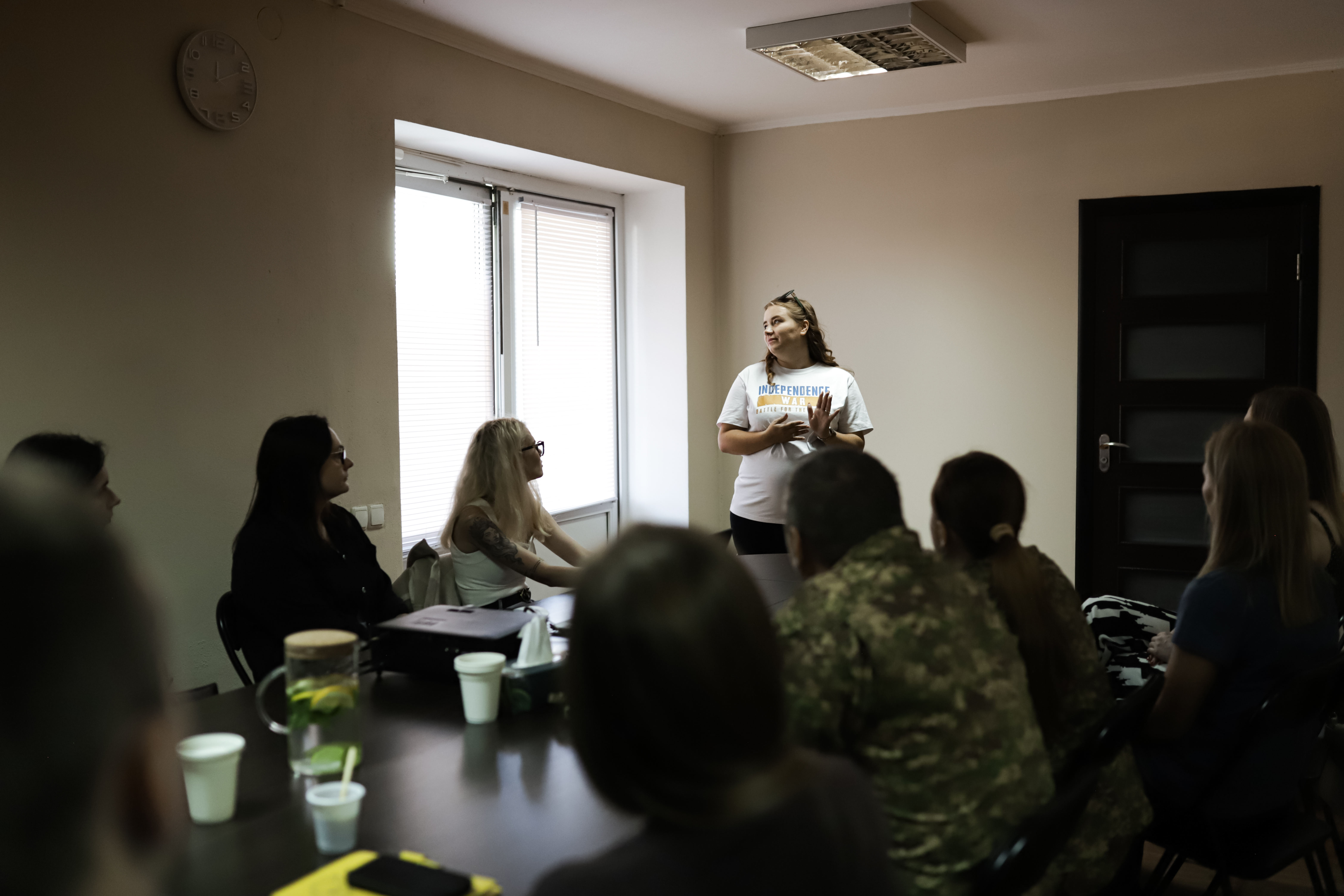
Ever since the beginning of the full-scale war, reintegration has remained a hot topic. The longer the war goes on, the more pressing this issue becomes.
Ultimately, reintegration is not a single event but a prolonged process. Much like other veterans, repatriated POWs may face physical and psychological rehabilitation, bureaucratic procedures, and the challenge of accepting a civilian lifestyle.
Instead of putting all the pressure on veterans, civilian society must adapt too. “We often talk about preparing military people for civilian lives. But I think we need to prepare civilians, because eventually, there might be more military or ex-military people in our society.”
And despite being part of the solution, NGOs and charity organizations like Syla dlya Sylnyh still lack resources and wider support. The foundation is backed by one donor, while the rest is covered by the founders.
According to Vladyslava, it’s hard to secure funding, especially when the organization is young and has never won a grant before.
“We have existed for over a year and have never won a grant,” she says.
Collaborating with businesses is also quite challenging. Back in 2022, businesses were more motivated to collaborate and help. Now, although most still prioritize charitable cooperations, businesses tend to go for foundations they have collaborated with in the past, which makes it tough for younger initiatives like Syla dlya Sylnyh.
Crowdfunding, which has gained popularity and purpose with the beginning of the full-scale Russian invasion, is quite tricky too:
“People tend to donate more to direct frontline needs. For example, most would rather donate to a vehicle or meds than some kind of event,” says Vladyslava, adding that this is why they rarely organize fundraisers and try to cover for everything themselves instead.
Nevertheless, Syla dlya Sylnyh remains part of the charity network in Ukraine. They collaborate with similar foundations across Ukraine, have a signed Memorandum of Understanding with the Coordination Headquarters for the Treatment of Prisoners of War, and will soon sign one with NGU (National Guard of Ukraine), and are open to cooperation with international organizations.
“I hope we will get better financing at some point. I’m not talking about millions, but enough for the organization to exist and for us to provide a higher quality support,” says Vladyslava.
The Long Work Ahead
As families and the wider public are anticipating the next prisoner exchange, Syla dlya Sylnyh is preparing support kits, organizing events, and moderating requests for help.
Over the past year, the foundation has grown into a team of more than 70 volunteers. It operates with limited funding, relies heavily on personal resources, and competes for attention in a context where frontline needs understandably dominate public donations. For Vladyslava, this work is not abstract. Her brother remains in Russian captivity. The waiting has not ended.
She recalls the moment the idea for the foundation took shape. Not as a strategic decision, but as a reaction.
“I felt bad for the soldiers who had no one to fight for them. That’s how the organization started,” says Vladyslava.
Looking ahead, Vladyslava and her team are ready to help until the last prisoner comes home. In reality, however, this would be just the beginning of a long but rewarding journey of reintegration, adaptation, and ultimately, creating a completely reformed society. And Syla dlya Sylnyh will play a pivotal role in shaping it.